
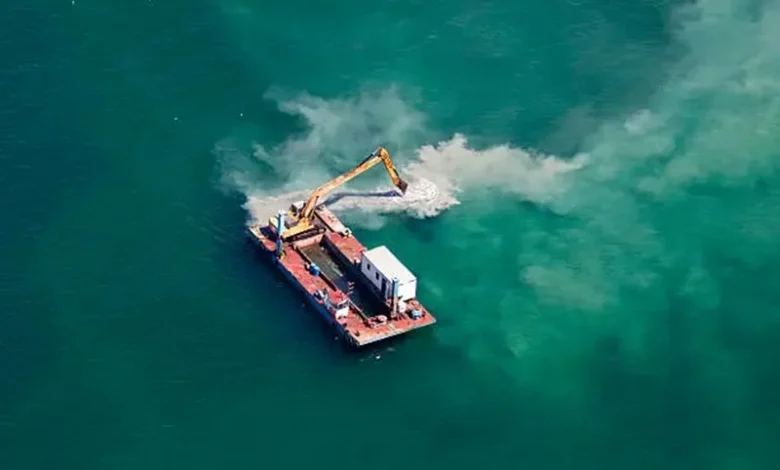
A robot was sent almost two kilometres under the sea. In total darkness, a banner reading “Listen to the Science” unfurled. That one Greenpeace action this year was one of the clearest signs yet that deep-sea mining has become one of the most contentious environmental issues on the planet, bringing in governments, scientists and ordinary citizens from every corner of the world.
Why the Ocean Floor Just Became Important
Nickel, cobalt and manganese for making batteries and electric vehicles are found on the deep seabed. Mining companies say the metals are needed to accelerate the shift away from fossil fuels. But marine scientists warn that scraping the ocean floor could destroy ecosystems that have taken millions of years to develop, many of which have never been fully mapped and studied.
A global protest movement
Over 40 countries have already called for a moratorium on ocean mining in international waters. Environmental groups have taken their fight to the United Nations-backed International Seabed Authority, to the headquarters of mining companies and even to the seafloor itself with underwater demonstrations. Coastal communities from the Pacific Islands to Africa to Northern Europe have joined the pushback, arguing that once the ocean floor is disturbed, there’s no taking back the damage.
Why This Is Not Just an Environmental Story
This debate also has implications for trade, energy security and international law. Some governments are calling for faster access to minerals from the seabed to reduce dependency on a handful of countries that now control the supply of battery metals. Some say the risks to fisheries, food security and unknown deep-sea species are too high to move fast. It is that tension that keeps the issue coming up at global summits.
What You Can Do, Wherever You Are
•Follow the International Seabed Authority’s decisions on seabed mining or trusted groups like Greenpeace or Oceana.
•Support or sign petitions calling for a moratorium on deep-sea mining until independent scientific reviews are completed.
•Identify brands and companies that have publicly pledged not to source deep-sea minerals in their supply chains.
•If your country is a party to the United Nations Convention on the Law of the Sea, talk to your local representatives because the national positions matter in these negotiations.
•This is a fast-moving and often misunderstood topic, so share verified information rather than rumours.
The Larger Picture
It’s not a niche issue anymore for scientists and diplomats. Most of the planet is covered by the ocean floor and decisions made in the next few years about deep-sea mining will shape marine ecosystems, coastal economies and clean energy supply chains for generations. Hence, the protest movements are rising all over the world, not falling.
Conclusion
The fight over deep-sea mining is really a fight over how much risk the world is willing to take with an ecosystem it barely knows. Wherever we are, we can get informed, back reputable environmental organisations, and demand transparent decision-making. Pay attention now, not after the damage is done, to protect the ocean floor.
Stay Ahead Of Global Trends
Why Is Davos So Important?
Dive into the key discussions shaping global politics and the economy.
Can Youth Change Climate Future?
Explore how young leaders are driving meaningful climate action worldwide.
What’s Behind Recent Peace Talks?
Uncover the facts surrounding disputed and verified peace agreements.
Are You Recycling Electronics Correctly?
Check out simple steps to dispose of old devices safely.
Do Weather Alert Colors Matter?
Get to know what yellow, orange and red warnings really mean.