Why Are Airlines Switching to Sustainable Aviation Fuel? And How Does It Reduce Emissions?
Discover how Sustainable Aviation Fuel helps airlines reduce emissions, support climate goals, cut fossil fuel use, and power cleaner air travel.

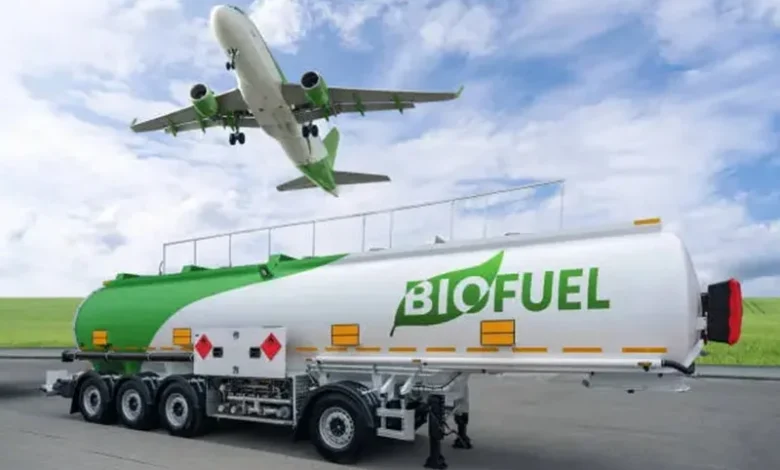
The aviation industry is under growing pressure to reduce its environmental impact. Since aircraft currently rely mainly on jet fuel made from fossil fuels, airlines are exploring cleaner alternatives. One of the most promising options is Sustainable Aviation Fuel (SAF), which can be used in many existing aircraft with little or no modification. While SAF does not eliminate emissions, it can significantly reduce the overall carbon footprint of air travel.
1. What Is Sustainable Aviation Fuel?
SAF is an alternative to conventional jet fuel. It is produced from sustainable sources such as:
- Used cooking oil
- Agricultural residues
- Forestry waste
- Municipal solid waste
- Other renewable feedstocks
It is designed to meet the same safety and performance standards as traditional aviation fuel.
2. Lower Lifecycle Carbon Emissions
The biggest advantage of SAF is that it can reduce lifecycle greenhouse gas emissions compared to conventional jet fuel. The exact reduction depends on the type of feedstock and production process used.
3. Works With Existing Aircraft
Most commercial aircraft can already operate using approved blends of SAF mixed with conventional jet fuel. This allows airlines to reduce emissions without replacing their current fleets.
4. Supports Climate Goals
Many airlines have set targets to achieve net-zero carbon emissions by 2050. Increasing the use of SAF is considered one of the key strategies for reaching these goals.
5. Reduces Dependence on Fossil Fuels
Producing fuel from renewable and waste-based materials helps diversify energy sources and reduce reliance on petroleum-based aviation fuel.
More Clean Energy News
Why Switch To Flex Fuel?
Find the key benefits.
What’s Driving Low-Carbon Fuels?
Discover the latest plan.
Why Build A Hospital Vertiport?
See the future of transport.
Why Is Solar So Cheap?
Uncover the cost advantage.
Why Is COP30 Under Fire?
Browse the clean energy debate.
Conclusion
Sustainable Aviation Fuel is becoming an important part of the aviation industry’s transition toward cleaner air travel. By reducing lifecycle emissions, using renewable feedstocks, and working with existing aircraft, SAF offers a practical way to lower aviation’s environmental impact. Although challenges remain, continued investment and increased production could make SAF a key fuel for the future of aviation.
FAQs
What is Sustainable Aviation Fuel (SAF)?
It is an alternative jet fuel produced from sustainable and renewable sources such as waste oils and agricultural residues.
Does SAF eliminate aircraft emissions?
No. It reduces lifecycle greenhouse gas emissions but does not eliminate emissions completely.
Can current aircraft use SAF?
Yes. Many existing commercial aircraft can operate using approved blends of SAF and conventional jet fuel.
Why is SAF more expensive?
Production is currently limited, and manufacturing costs are higher than those of conventional jet fuel.