Why Are Farmers Switching to Drought-Resistant Crops? And How Do They Work?
Learn why farmers are switching to drought-resistant crops, how they conserve water, improve yields, reduce irrigation costs, and support food security.

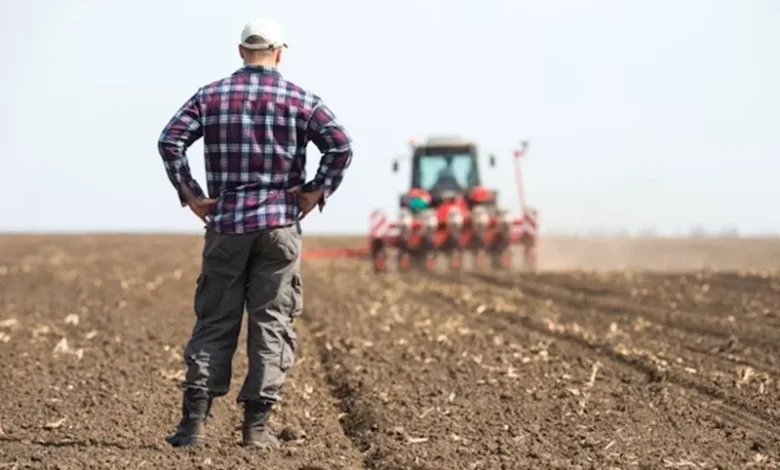
Climate change is making farming more difficult than ever. Rising temperatures, irregular monsoons, and longer dry spells are reducing crop yields in many regions. To cope with these challenges, farmers are increasingly adopting drought-resistant crops that can grow with less water and withstand periods of low rainfall.
These crops are helping improve food security while reducing the risks associated with unpredictable weather.
1. They Require Less Water
Drought-resistant crops are bred or developed to survive with limited rainfall. They use available water more efficiently than conventional crop varieties, making them suitable for water-scarce regions.
2. Stronger and Deeper Roots
Many drought-tolerant crops develop deep root systems that reach moisture stored beneath the soil surface. This allows the plants to continue growing even when the upper soil becomes dry.
3. Better Water Conservation
These crops naturally reduce water loss by controlling the opening of tiny pores called stomata on their leaves. This helps retain moisture during hot and dry conditions.
4. Improved Heat Tolerance
Many drought-resistant varieties can tolerate high temperatures alongside water shortages, reducing crop damage during heatwaves.
5. More Reliable Harvests
Although no crop is completely drought-proof, drought-resistant varieties usually produce more stable yields during years of below-average rainfall, helping farmers reduce financial losses.
6. Lower Irrigation Costs
Because they need less water, farmers spend less on irrigation, electricity, and fuel used for pumping water, making farming more economical.
Common Drought-Resistant Crops
Some widely grown drought-tolerant crops include:
- Millets
- Sorghum
- Pearl millet (Bajra)
- Chickpeas
- Pigeon pea (Tur)
- Cowpea
- Barley
Scientists have also developed drought-tolerant varieties of crops such as rice, maize, and wheat to help farmers adapt to changing climate conditions.
More Climate Insights
How Is Climate Changing Daily?
Discover today’s real impacts.
What Climate Effects Go Unnoticed?
Uncover hidden everyday changes.
Why Protect Biodiversity Hotspots?
Find nature’s climate solution.
Why Are Monsoons So Unstable?
Learn what’s driving change.
Is Your Home Monsoon Ready?
Check out essential preparations.
Conclusion
As droughts become more frequent and rainfall patterns grow increasingly unpredictable, drought-resistant crops are providing farmers with a practical solution. Their ability to use water efficiently, tolerate heat, and produce more dependable harvests makes them an important part of climate-resilient agriculture and future food security.
FAQs
Q: What are drought-resistant crops?
A: They are crops or crop varieties that can survive and produce yields with less water than conventional crops.
Q: Why are farmers switching to them?
A: To reduce crop losses caused by drought, save water, and improve harvest reliability.
Q: Which crops are naturally drought-resistant?
A: Millets, sorghum, chickpeas, pigeon pea, cowpea, and barley are among the most drought-tolerant crops.
Q: Do drought-resistant crops eliminate the need for irrigation?
A: No. They require less water but may still need irrigation during prolonged dry periods.
Q: How do these crops help food security?
A: They improve the chances of stable harvests during droughts, helping maintain food supplies and support farmers’ incomes.