Why Are Cities Running Out of Water? And How Are They Responding?
Learn why cities running out of water is a global concern and how conservation, recycling, desalination, and smarter systems protect supplies today all no.

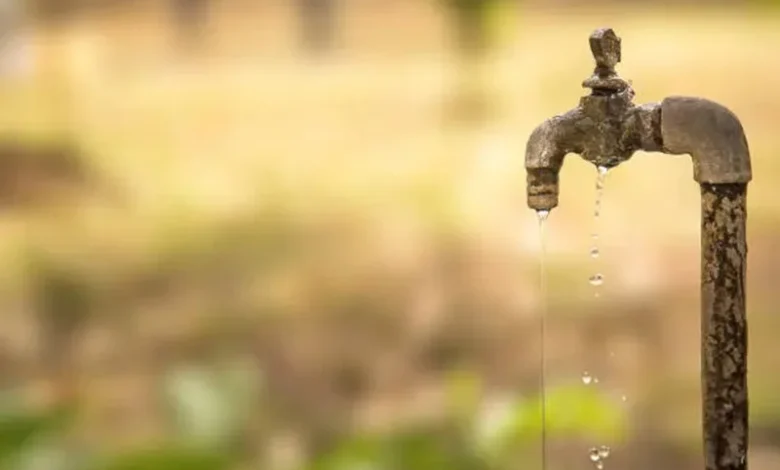
Water shortages are becoming a growing concern for cities around the world. Rapid population growth, climate change, pollution, and increasing demand are putting tremendous pressure on freshwater supplies. As a result, many cities are facing seasonal water shortages and investing in new solutions to secure future water supplies.
Here are the main reasons cities are running out of water and how they are responding.
1. Population Growth
As cities expand, more people need water for drinking, cooking, sanitation, and industry. In many places, demand is growing faster than available water resources.
2. Climate Change
Rising temperatures and changing rainfall patterns are making droughts more frequent and reducing water availability in rivers, lakes, and reservoirs.
3. Overuse of Groundwater
Many cities rely heavily on underground aquifers. Excessive pumping lowers groundwater levels faster than they can naturally recharge.
4. Pollution
Industrial waste, sewage, and agricultural runoff contaminate rivers and lakes, reducing the amount of clean water available for use.
5. Aging Infrastructure
Leaking pipelines and outdated water systems can waste millions of liters of treated water every day.
How Cities Are Responding
Improving Water Conservation
Many cities encourage residents to use water-efficient appliances, repair leaks, and reduce unnecessary water use through awareness campaigns.
Recycling Wastewater
Advanced treatment plants are helping cities recycle wastewater for industrial use, irrigation, and in some cases, even drinking water after extensive purification.
Rainwater Harvesting
Collecting rainwater from rooftops and public buildings helps recharge groundwater and provides an additional water source.
Building Desalination Plants
Coastal cities are converting seawater into drinking water using desalination technology, although the process is energy-intensive and costly.
Upgrading Infrastructure
Replacing old pipelines and installing smart water meters helps reduce leaks and improve water management.
Keep exploring practical ways to protect yourself and the planet.
How Can You Beat Heatwaves Safely?
Check out 15 simple tips to stay safe during extreme heat.
Which Green Job Skills Matter Most?
Find the top climate tech skills employers are hiring for.
Want To Cut Carbon Easily?
Browse 15 easy ways to lower your household carbon footprint.
How Can Your Home Go Greener?
Try practical everyday changes that reduce your home’s emissions.
Why Choose Drought-Resistant Crops Today?
Uncover why farmers are adopting resilient crops to tackle water shortages.
Conclusion
Cities are running out of water because of rising demand, climate change, groundwater depletion, pollution, and aging infrastructure. To address these challenges, governments are investing in water conservation, recycling, rainwater harvesting, desalination, and modern water systems. These efforts are essential to ensure reliable water supplies for growing urban populations.
FAQs
Why are cities facing water shortages?
Population growth, climate change, pollution, and excessive groundwater use are the main causes.
What is rainwater harvesting?
It is the process of collecting and storing rainwater for future use or groundwater recharge.
Can wastewater be reused?
Yes. Treated wastewater can be safely reused for irrigation, industrial purposes, and, in some cases, drinking after advanced purification.
What is desalination?
It is the process of removing salt from seawater to produce fresh drinking water.