The $12 Billion Global Push to Restore Degraded Land and Build Drought Resilience

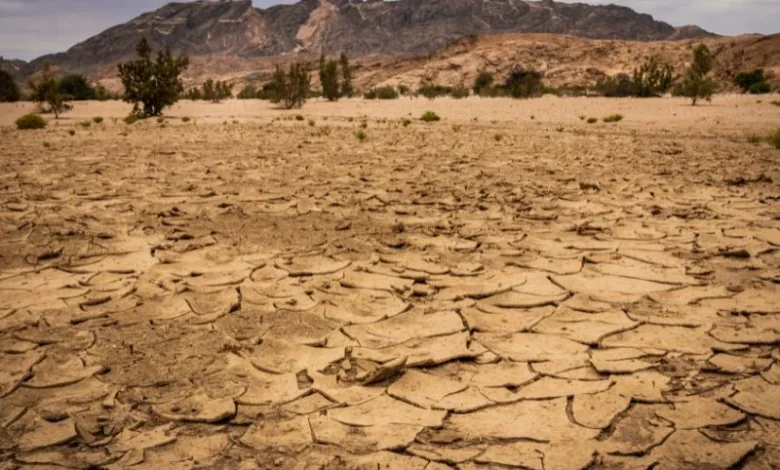
Countries are looking for ways to restore degraded land, and the fight against drought is entering a new phase. The UN conference on desertification in Riyadh saw over $12 billion for drought resilience resilience. land restoration, The funding is to protect livelihoods and help vulnerable communities plan for longer and more intense dry spells.
Why Degraded Land Is an Issue Worldwide
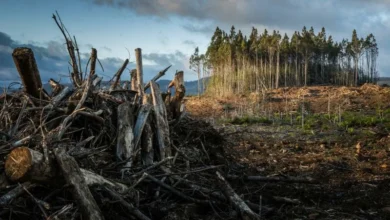
Land degradation means that soil is no longer able to grow healthy plants and crops. Drought can exacerbate this damage; poor farming, deforestation, overgrazing and inefficient water use can hasten it.
Farmers might wind up growing less food and making less money. Farm output can also decline when prices for food decline. Shortages can cause friction in communities and drive people away from affected areas.
The UN says it will need much more investment in the coming years to restore degraded land and build drought resilience.
How a $12B mission could help
The funds are anticipated to assist vulnerable nations through international drought resilience schemes. Africa is a key area of focus, since so many communities across the continent rely directly on rainfall and healthy land for farming and livestock.
One such example is the Great Green Wall. The Africa-led project is to re-green the degraded landscape across the Sahel region. Its work includes planting suitable vegetation, improving soils and strengthening local water management.
Can restoration of land reduce drought damage?
Restoration can’t reverse a drought. It can boost the drought tolerance of landscapes.Healthy soils store more water. Vegetation can contribute to less erosion and protect land from strong winds. Better farming methods can also relieve pressure on scarce water supplies.
In India, Kenya and Pakistan, useful approaches are rainwater harvesting, drought-resistant crops, agroforestry and better irrigation. Using these methods can help farmers to save water and protect their crops.
The larger movement of land restoration is about restoring healthy ecosystems in general, not just fixing individual damaged sites.
The Significance of Local Communities
But big financial pledges won’t repair damaged landscapes. Local land managers and farmers know their soil, water supplies and seasonal weather better than outside agencies.
Funding should be allocated to communities and support projects relevant to the local conditions. Countries can improve restoration by focusing on:
• Local conditions plant native vegetation.
• Rainwater Harvesting and Effective Irrigation
• Sustainable grazing and agriculture
• Community-based restoration programs.
• Ongoing monitoring of the restored areas
The $12 Billion Question
The big question is whether countries can keep their financial promises to make a lasting difference. The amount pledged is significant, but global restoration needs are much larger.
It has taken years of collaboration between governments, development organizations, businesses and communities. Projects also need transparent monitoring so people can see where the money is going and whether restoration is really improving land and livelihoods.
Conclusion – land restoration
This $12 billion drought resilience effort is a crucial opportunity to rehabilitate degraded landscapes and safeguard vulnerable communities. Responsible funding, effective management and meaningful local participation will be the keys to success.
Discover more wildlife stories.
What Lives In Kerala Backwaters?
Spot the amazing birds and aquatic wildlife.
Why Is Bird Flu Spreading?
Find the latest updates on wildlife health risks.
Which Parks Hide Rare Wildlife?
Uncover Mongolia’s best-kept natural treasures.
Where Are Kenya’s Best Safaris?
Browse the top wildlife adventures to experience.
Why Visit Kaziranga This Year?
Explore one of India’s top wildlife destinations.