Revealing Europe’s Most Critical Wetlands and Why They Matter
Explore Europe’s Most Critical Wetlands, their role in biodiversity, climate resilience, and conservation, and why protecting them matters for our future.

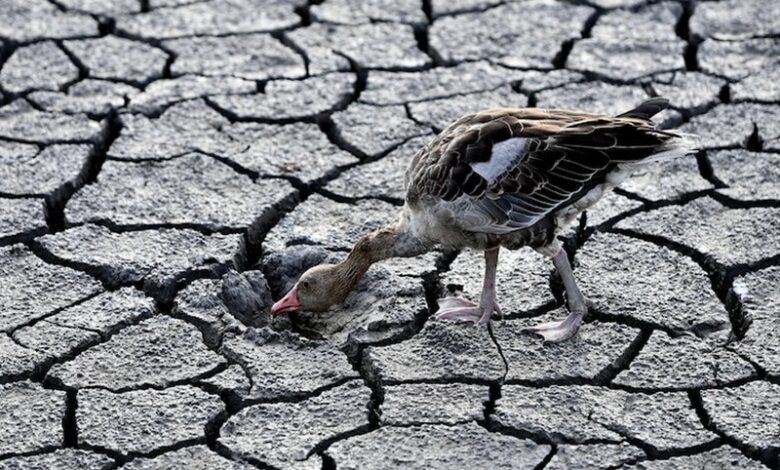
Europe’s critical wetlands are nature’s lifelines – for people, for wildlife and for the climate. These landscapes range from huge river deltas to coastal marshes and help control water and support thousands of species. As Europe gets hotter, flooding and biodiversity loss, their protection is becoming ever more important.
Why are Europe’s wetlands important?
Europe’s most important wetlands do a number of things we can easily take for granted. They can reduce excess rainfall and help prevent flooding. They also replenish aquifers and improve water quality.
These provide breeding and feeding grounds for birds, fish, amphibians and insects. Many wetlands also offer fishing, farming and tourism, giving nearby communities economic reasons to protect them.
The Danube Delta, Europe’s Wilderness
The Danube Delta is one of the most famous wetland landscapes in Europe. It is a common feature of Romania and Ukraine and is made up of lakes, channels, reed beds and marshes.
This area is an important habitat for migratory birds and other wildlife. It is also connected to the Danube River, which has a significant role in the water flow and flood management.
The larger Danube basin shows that protection of wetlands requires the cooperation of neighbouring countries. Restoration projects along the river have reopened wetland areas and improved conditions for native wildlife”
Increasing pressure on coastal wetlands
Coastal wetlands in Europe face particular problems. Development, pollution, changing rainfall and rising seas can change fragile marshes and tidal habitats.
These areas act as natural buffers to storm and high tide surges. If lost, coastal communities could be more vulnerable to flooding. So it’s a win-win for biodiversity and human safety.”
Europe’s Latest Effort to Win Back Wetlands
The European Union has reinforced its strategy with the wetland restoration Regulation. It establishes binding targets for the restoration of degraded ecosystems and seeks to restore at least 20% of the EU’s land and sea areas by 2030.
This expanded wetland restoration can restore degraded habitat, revive water systems and create safer places for wildlife. National restoration plans will help countries identify priority areas and monitor progress.
Discover more wildlife stories.
What Lives In Kerala Backwaters?
Spot the amazing birds and aquatic wildlife.
Why Is Bird Flu Spreading?
Find the latest updates on wildlife health risks.
Which Parks Hide Rare Wildlife?
Uncover Mongolia’s best-kept natural treasures.
Where Are Kenya’s Best Safaris?
Browse the top wildlife adventures to experience.
Why Visit Kaziranga This Year?
Explore one of India’s top wildlife destinations.
How to Help Save Europe’s Wetlands
Wetlands need protection, not just by governments. Visitors and local communities can also help take the pressure off sensitive areas.
- Stay on marked trails and local visitor rules.
- Do not disturb nesting birds and other wildlife.
- Stop plastic and other waste getting into the waterways.
- Support local tourism, responsibly.
- Some conservation projects with local communities.
Conclusion
We protect Europe’s critical wetlands to protect the natural systems that support water security, wildlife and communities. Government restoration programs can be an important starting point, but long-term success also depends on responsible land use and local participation.