Wildlife at Risk as Bird Flu Emerges Across Victoria, Australia
Victoria bird flu outbreak threatens native wildlife as H5N1 spreads, prompting emergency action, public reporting and disease monitoring statewide.

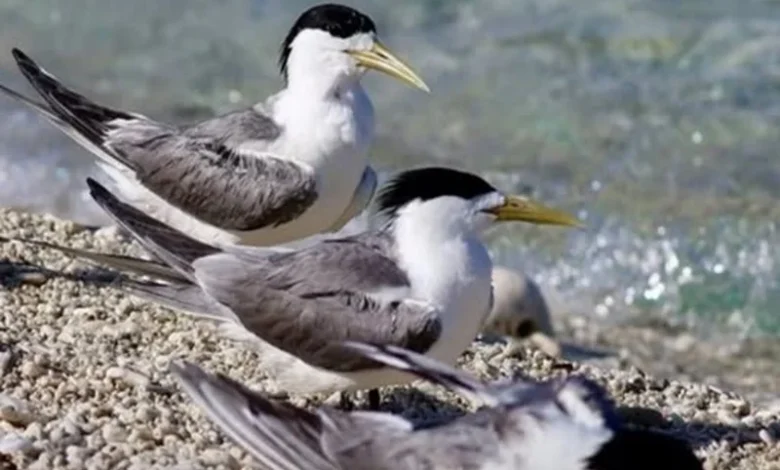
Bird flu has officially arrived in Victoria, and wildlife experts fear the worst is still to come. The H5N1 strain, already responsible for mass animal deaths overseas, has now been confirmed in the state, prompting an emergency response from local authorities. For a country that had largely escaped this global outbreak until now, the arrival marks a troubling turning point for native wildlife.
What Makes This Bird Flu Strain Different
Unlike earlier outbreaks in Victoria, which mostly hit commercial poultry farms and were contained quickly, this strain behaves differently. Overseas, it has killed large numbers of wild birds and even spread to mammals such as seals. Closer to home, an outbreak on Australia’s remote Heard and McDonald Islands wiped out most of a breeding colony of elephant seal pups, a grim preview of what bird flu can do once it reaches dense wildlife populations.
Victoria’s government has now enacted its State Emergency Animal Disease Response Plan, focusing on protecting threatened species while limiting risks to farmers and poultry businesses.
Which Animals Are Most at Risk
Water-associated birds are especially vulnerable, including:
- Ducks, geese and swans
- Gulls, terns and shorebirds
- Pelicans, herons and cormorants
- Penguins living in large colonies
Predatory and scavenging birds are also at risk, since they can catch the virus by eating infected animals.
Why This Outbreak Matters Beyond Australia
This isn’t just a local story. Bird flu has spread across five continents in recent years, devastating wild bird colonies and, increasingly, mammals. Victoria’s experience is a reminder that no region is fully insulated from a virus already moving globally through migratory birds.
What to Do If You Spot Sick or Dead Birds
Health officials say the risk to people remains very low, but everyone can help slow the spread. If you find dead or unwell birds, especially in groups of five or more:
- Do not touch or handle the animal.
- Keep pets and children away from the area.
- Note the location and number of birds affected.
- Report it to Victoria’s Department of Energy, Environment and Climate Action (DEECA) online, or call the Emergency Animal Disease Hotline on 1800 675 888.
- Avoid walking through droppings or contaminated water at beaches and wetlands.
Eggs, poultry and game meat remain safe to eat as long as they are cooked properly, so there is no need to change everyday food habits.
A Shared Responsibility
Governments cannot watch every beach, wetland or backyard alone. Quick reporting from ordinary people, dog walkers, birdwatchers and farmers gives authorities the early warning they need before the outbreak spreads further among vulnerable species.
The coming months will decide how far this outbreak travels and how much of Victoria’s wildlife it affects. Staying alert, reporting sightings promptly, and keeping a respectful distance from wild birds are simple steps that could genuinely help protect the region’s native animals.
Explore more climate and travel stories.
Why Are Islands Disappearing Today?
Discover the lives shaped by rising seas.
Why Are Warm Nights Riskier?
Find the hidden dangers of urban heat.
Which Mumbai Areas Feel Hottest?
Check out the biggest temperature differences.
Which Vietnam Islands Should You Visit?
Browse breathtaking escapes for your next trip.
Why Do Cities Feel Hotter?
Uncover how green spaces cool urban life.