Wild Deer Release Millions of Tonnes of Methane a Year, Scientists Find
Wild Deer Methane Emissions reveal millions of tonnes released yearly, scientists find. Learn how deer affect climate change and greenhouse gases worldwide.

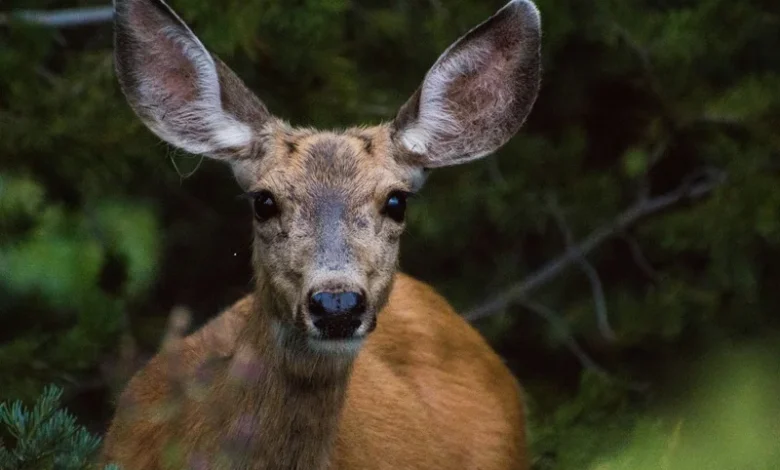
Wild Deer Methane Emissions highlight that wild deer look like peaceful residents of forests and grasslands, but they too add to the planet’s methane emissions. New worldwide estimates reveal that wild ruminants emit some 3 million tonnes of methane into the atmosphere each year. The largest contributor among wild ruminants is deer, which account for more than half of this amount.
Why methane is produced by wild deer
Deer are ruminants, similar to cows, sheep and goats. They have specialised chambers in their digestive systems in which microbes break down tough plant material. This process helps deer get nutrients from grass, leaves and other fibrous foods.
But digestion produces methane too. It’s mainly animals burping which sends methane into the atmosphere .
The new estimate is the result of research led by scientists at the Max Planck Institute for Biogeochemistry. The researchers used information on wild animal populations and estimates of body size and diet. Their results were published in the Journal of Geophysical Research: Biogeosciences.
To put wild-deer methane emissions into perspective
Millions of tonnes sounds like a massive number, but we need to put the global climate impact into context. Wild ruminants are thought to produce some 3 million tonnes of methane each year, compared with more than 600 million tonnes from domestic livestock.
That means that livestock emissions are about 38 times more than their wild counterparts. Six species of deer account for more than half of wild ruminant methane.
This comparison is important, as it helps guard against misinterpretation of the headline figure. Wild deer methane emissions are real, but they are still a relatively small chunk of the global methane problem.
The Effect of Methane on Climate
Methane is a potent greenhouse gas. In the short term it traps considerably more heat than carbon dioxide but it stays in the atmosphere for a much shorter time.
Methane is released from a wide range of sources around the world, including livestock, wetlands, fossil fuel operations, landfills and natural ecosystems. Knowing where the emissions are coming from helps scientists improve climate models and find the most effective places to cut emissions.
The finding also illustrates why scientists must incorporate deer methane emissions in their work to comprehend the entire methane cycle.
Discover more wildlife stories.
Why Is Bird Flu Spreading?
Find the latest updates on wildlife health risks.
Why Visit Kaziranga This Year?
Explore one of India’s top wildlife destinations.
What Lives In Kerala Backwaters?
Spot the amazing birds and aquatic wildlife.
Which Parks Hide Rare Wildlife?
Uncover Mongolia’s best-kept natural treasures.
Where Are Kenya’s Best Safaris?
Browse the top wildlife adventures to experience.
Why the Finding Matters Internationally
Wild deer are found in many parts of the world including Europe , North America , Asia and parts of South America . Their numbers can vary widely depending on habitat, predators, hunting, conservation programmes and human land use.
In some areas deer populations have risen as their natural predators have declined or suitable habitat has increased. Elsewhere populations are still under threat from habitat loss and human activity.
The new research doesn’t mean removing deer would be a simple fix for climate change. Instead, it offers a more detailed look at how natural wildlife is a part of greenhouse gas cycles.
What Readers Should Know
When considering methane and wildlife, keep the following in mind:
- Methane is an inevitable byproduct of digestion for wild ruminants.
- The study identifies deer as the biggest wild ruminant contributor.
- Wild ruminants emit far less methane than their domestic cousins.
- Deer methane emissions are affected by population size and diet.
- Human-caused emissions must be understood in relation to natural emissions.
Conclusion
Wild deer are the cause of millions of tonnes of methane every year, a discovery that gives a new twist to the global climate story. Deer aren’t a big part of the methane problem like livestock are, but their role helps scientists understand the whole natural methane cycle. Better measurement of wildlife and human sources means better planning for climate.