Ocean Heat Records: What Warming Seas Mean for Marine Life and Coastal Communities Worldwide

The world’s oceans have quietly crossed a new threshold. Sea surface temperatures soared to record levels this year and the effects on marine life are no longer a distant scientific concern. The impact of record ocean heat can now be observed along coastlines around the world, from reefs of coral to fishing boats.
What is the actual temperature of the oceans?
The European Union’s Copernicus Marine Service recorded an average global sea surface temperature of about 21 degrees Celsius in mid-2026, slightly higher than the previous records set in 2023 and 2024. By late June, about 82 percent of the world’s ocean surface was under marine heatwave conditions—the second largest extent on record. The scientists attribute it to a combination of long-term climate change and a developing El Niño pattern in the Pacific.
Reason Reefs Of Coral Are The First To Die
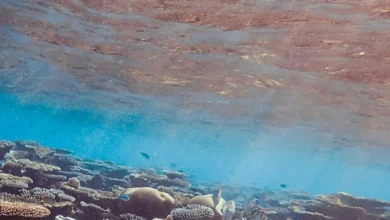
Reefs of coral don’t do well if the heat goes on for a long time. Corals have algae living inside of them. When water is too warm for too long, corals expel the algae and turn white. This is called coral bleaching. Repeated bleaching permanently weakens reefs. Reefs shelter close to a quarter of all marine species, so their decline affects entire food chains , not just the coral itself.
What This Means for Fish, Fisheries and Coastal Families
Warmer water holds less oxygen, forcing many species of fish into cooler, deeper or more poleward waters. For small-scale fishers who can’t travel far or afford bigger boats, this shift often means smaller catches and unpredictable income. Fish farms are also under additional pressure, as warmer water increases the risk of disease among farmed fish and shellfish.
What coastal communities can do a checklist
• Check with local weather and fisheries advisories before going out to sea.
• Diversify catches and income so they are not dependent on a single species or ground.
• Join local cooperatives to share early warnings and market access.
• Support marine protected areas that give fish stocks space to recover.
• Reduce household reliance on ecosystems already under pressure.
A worldwide problem, local action needed – Record Ocean Heat
Oceans soak up around 90 percent of the additional heat trapped by greenhouse gases, so what takes place at sea has an eventual impact on storms, rainfall and food security on land. Governments, fishermen’s cooperatives and everyday consumers all have a part to play in slowing this trend.Warming oceans are currently changing marine life, and protecting it starts with local action combined with stronger global climate policy.
Stay Ahead Of Global Trends
Why Is Davos So Important?
Dive into the key discussions shaping global politics and the economy.
Can Youth Change Climate Future?
Explore how young leaders are driving meaningful climate action worldwide.
What’s Behind Recent Peace Talks?
Uncover the facts surrounding disputed and verified peace agreements.
Are You Recycling Electronics Correctly?
Check out simple steps to dispose of old devices safely.
Do Weather Alert Colors Matter?
Get to know what yellow, orange and red warnings really mean.