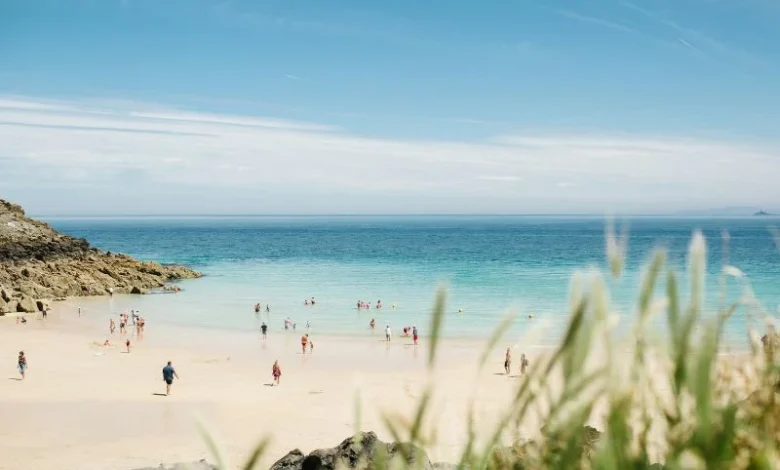
The sea around Britain used to seem stable and predictable. Not any more. marine heatwaves have become a regular occurrence off British coasts in recent years, with scientists saying ocean life is struggling to keep pace with the rate of change.
What Is a Marine Heat Wave?
Marine heatwaves are defined as when the sea surface temperature is significantly above the average for that time of year for at least five days. Off Hastings and Liverpool Bay, the water has been several degrees warmer than average. Recently, these temperatures have only been recorded in August, not spring or early summer.
Why the British Waters are Changing
In calm, sunny weather and little wind the heat builds up and doesn’t mix away from the surface. This is what happens year after year, as it has since 2023, and the ocean doesn’t have time to cool down between events. This pattern is now being described by researchers as the new normal for UK seas and not a rare exception.
How Marine Life Is Reacting
• Fish that like cold water, such as cod and mackerel, are heading north in search of cooler water.
• Kelp forests and seagrass meadows, important nursery habitats, are experiencing dieback and heat stress.
• Jellyfish sightings have seen a major increase along a number of coastlines.
• Octopus numbers have increased and local crab and lobster populations are feeling the pressure.
• Warmer water makes for more poisonous algal blooms that poison shellfish and suffocate the sea.
The Significance Outside of Britain
This is not just a British story. From the Pacific coast of Canada to the Mediterranean and far beyond, warming seas are being recorded. What is happening in the English Channel and North Sea is an early, well-documented example of how coastal ecosystems around the world may react to rising ocean temperatures.
What coastal communities can do:
• Traditional species are retreating, and fishing communities can vary their catches.
• Local authorities can watch for heat advisories through national meteorological services.
• Shellfish farmers can be alerted to algal blooms before harvesting.
• Coastal residents are encouraged to report unusual sightings, including new species or dead fish, to local marine conservation groups.
Marine heatwaves are not a distant warning any longer. They are changing British seas in real time, with knock-on effects for fishing livelihoods, food supply chains and coastal ecosystems around the world. Understanding these changes today is the first step in protecting ocean life tomorrow.
Stay Ahead Of Global Trends
Why Is Davos So Important?
Dive into the key discussions shaping global politics and the economy.
Can Youth Change Climate Future?
Explore how young leaders are driving meaningful climate action worldwide.
What’s Behind Recent Peace Talks?
Uncover the facts surrounding disputed and verified peace agreements.
Are You Recycling Electronics Correctly?
Check out simple steps to dispose of old devices safely.
Do Weather Alert Colors Matter?
Get to know what yellow, orange and red warnings really mean.