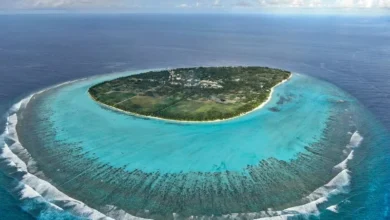

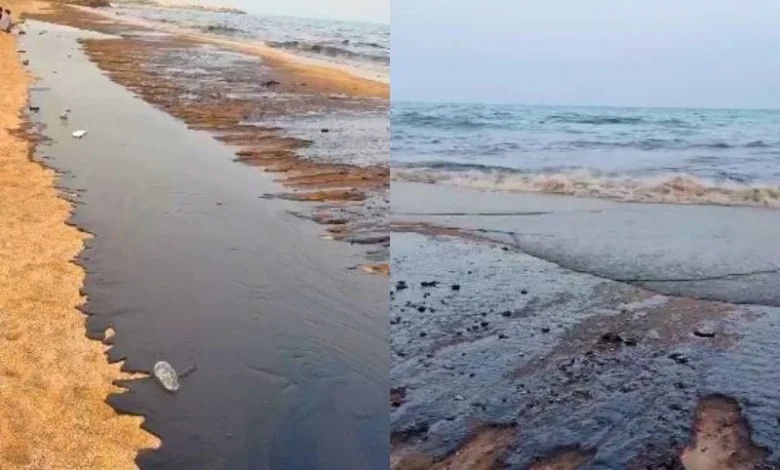
An oil spill has reached the shores of Qeshm Island, and satellite tracking shows the slick moving toward the Hara mangrove forests, Qeshm oil spill, one of the most ecologically important wetlands in the Persian Gulf. For anyone following global shipping and energy news, this is more than a local incident. It’s a warning sign for one of the world’s busiest and most fragile marine corridors.
Why the Hara Forests Matter
The Hara Biosphere Reserve covers roughly 20,000 hectares around Qeshm Island in the Khuran Strait, close to the Strait of Hormuz. These mangroves are breeding and feeding grounds for fish, migratory birds and marine mammals. Nearby beaches are nesting sites for the hawksbill sea turtle, a species already listed as critically endangered. Lose the mangroves, and you lose a natural buffer that protects the coast, supports fisheries, and sustains thousands of families who depend on the sea for their livelihood.
What’s Driving the Spills
Repeated attacks on tankers and naval vessels during recent regional conflicts have left oil leaking from damaged ships across the Gulf. Reports point to contamination affecting a large share of Hormozgan Province’s coastline in recent months, with earlier slicks traced to a refinery strike near Lavan Island. Environmental groups warn that dozens of large tankers remain stranded in the Strait of Hormuz, carrying billions of litres of oil, which makes further spills a real and ongoing risk rather than a one-time event.
Why This Matters Beyond the Gulf
The Strait of Hormuz carries a large share of the world’s seaborne oil trade. Damage here doesn’t just hurt local wildlife, it can affect global shipping routes, insurance costs and fuel prices. Environmental monitoring groups say mangrove roots and sediments are especially sensitive to physical cleanup efforts, so heavy-handed intervention can sometimes do more harm than the oil itself.
What Communities and Observers Can Do
- Follow updates from environmental and maritime monitoring groups tracking the Strait of Hormuz.
- Support organisations working on mangrove restoration and coastal cleanup in the region.
- Avoid where possible products or supply chains linked to unregulated tanker operations.
- “Urgent need for accountability and compensation for transboundary marine pollution.”
- Stay informed through credible outlets before sharing spill-related news, since misinformation spreads quickly during conflicts.
A Region Worth Watching – Qeshm oil spill
The Hara mangroves have survived decades of shipping traffic and past spills, but experts say the current situation could become one of the most damaging events the Gulf has faced since the first Gulf War. Recovery, if it happens, will take years of monitoring, funding and cooperation between governments and environmental groups.
The Persian Gulf’s mangroves are a shared global resource, and protecting them starts with paying attention now, not after the damage becomes permanent.
Discover smarter ways to go green.
How Can You Cut Emissions?
Check out simple ways to reduce your footprint.
How Much Energy Does AI Use?
Find the hidden environmental costs.
Which Small Habits Make Difference?
Uncover easy actions with big impact.
How Green Is Film Production?
Dive into cinema’s environmental footprint.
What Are The Best Eco Steps?
Explore practical ways to lower emissions.