Red Sea Crisis: Sunken Cargo and Spreading Oil Slicks Trigger Major Ecological Emergency
Red Sea Crisis threatens coral reefs, marine life and coastal livelihoods as oil slicks and sunken cargo create a growing ecological emergency today.

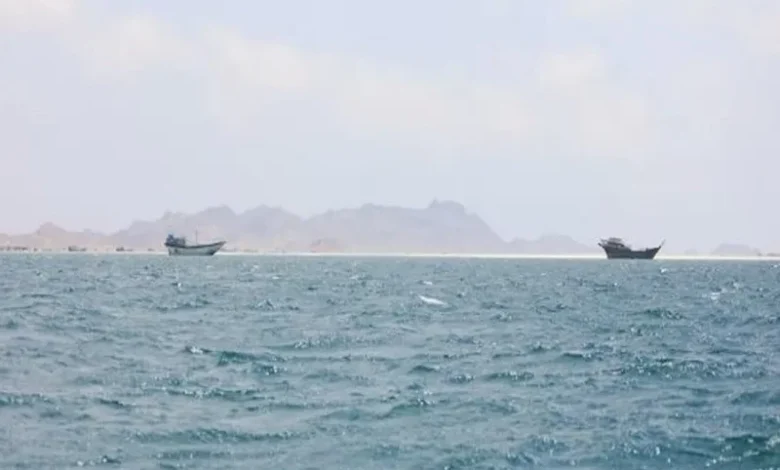
Warships are firing, tankers are burning, and the Red Sea is once again turning into a graveyard of broken ships. What began as scattered missile strikes has grown into a full-blown ecological emergency, with sunken cargo and drifting oil slicks threatening coral reefs, fish stocks and the people who depend on this narrow but vital waterway for their daily bread.
Why the Red Sea Is Under Threat Again
Attacks by Iran-backed Houthi militants on ships sailing near the Bab el-Mandeb Strait have picked up sharply in recent weeks. Saudi-bound tankers have been struck, some vessels have turned back mid-voyage rather than risk the crossing, and global oil prices have jumped past $100 a barrel for the first time in months. Each strike raises the same grim possibility: a stricken ship slowly leaking fuel, cargo or hazardous chemicals into one of the most biodiverse marine environments on Earth.
How Oil Slicks Are Damaging Marine Life
When a damaged vessel breaks apart, its fuel tanks rupture and a slick can stretch for many kilometres across the surface. Oil coats coral reefs, chokes fish gills and poisons the plankton that feeds the entire food chain. The Red Sea’s reefs are considered unusually heat-resistant and scientifically important, which makes the risk of long-term damage even more serious for global marine science, not just local ecosystems.
Who Pays the Price on Shore
Coastal communities in Yemen, Sudan, Eritrea, Egypt and Saudi Arabia rely on fishing and tourism, industries that cannot survive a major spill. Many fishing families have no formal insurance and limited savings, so a single bad season can push a household into debt. Shipping delays also raise the cost of imported food and fuel for millions who live along or near this trade corridor.
What Can Be Tracked and Done Right Now
- Follow live vessel movement through free tools like MarineTraffic to understand which shipping lanes are affected.
- Coastal authorities can activate national oil spill response plans coordinated through the International Maritime Organization.
- Local fisheries departments can issue temporary advisories on fishing zones near known slick sites.
- Regional governments can expand emergency compensation funds for affected fishing and tourism workers.
- International shipping insurers can fast-track claims for rerouted or delayed cargo.
Conclusion
The Red Sea crisis is no longer only a shipping story. It is an environmental and livelihood story that touches coral reefs, fish stocks, food prices and the daily income of coastal families far beyond the region. Until the attacks stop, monitoring the slicks, protecting vulnerable coastlines and supporting the communities caught in between must move faster than the next strike.
Explore Climate Stories That Matter
How Will Miami Adapt Next?
Discover the future of coastal cities.
Why Is Deep-Sea Mining Controversial?
Uncover the growing global protests.
Could Dying Lakes Affect Others?
Look into the hidden climate risks.
Is Your Seafood Still Safe?
Find pollution risks during El Niño.
Why Are Monsoons Changing Faster?
Explore climate change’s growing impact.