The Aral Sea’s Carbon Bomb: What a Dying Lake in Central Asia Means for the Philippines’ Own Shrinking Reservoirs
Aral Sea Carbon Bomb reveals how drying lakes release carbon, warning the Philippines to protect reservoirs, watersheds and climate resilience now.

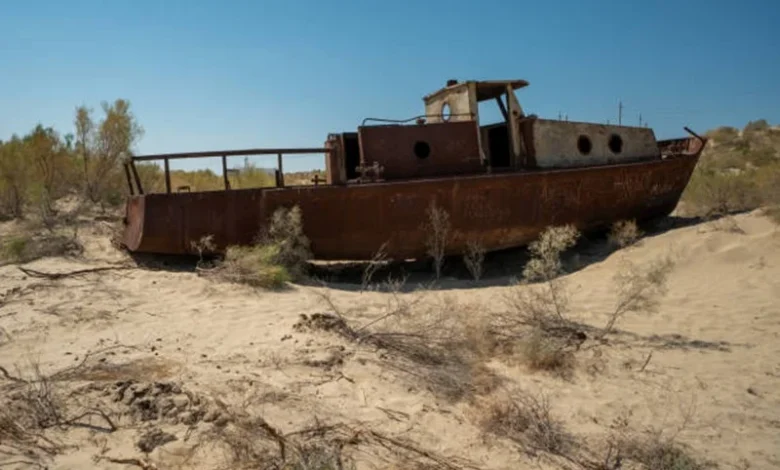
Halfway across the world, a lake that used to be the size of Ireland has almost disappeared, and it turns out its slow death has been pumping carbon dioxide into the air for six decades. That single fact from a new international study carries a quiet warning for a country like the Philippines, where shrinking reservoirs and lakes are also drying out faster than before.
What Happened to the Aral Sea
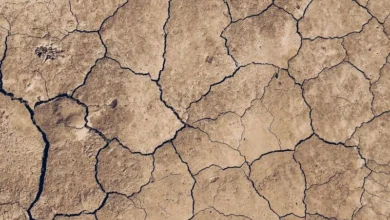
The Aral Sea, once the fourth largest inland body of water on Earth, sat between Kazakhstan and Uzbekistan. Starting in the 1960s, its feeder rivers were diverted for cotton farming, and the lake slowly turned into a salty desert. A study published in the journal Science this year found that as the lake dried, its exposed sediment released about 748 million metric tons of carbon dioxide between 1960 and 2022. That is roughly three times what Spain emits in a single year. Researchers also found that almost a fifth of those emissions came simply from wind blowing dried lakebed dust into the air, something scientists had not measured closely before.
Why This Matters to the Philippines
The Philippines does not have anything the size of the Aral Sea, but it does have dams and lakes that are under real strain. Angat Dam, which supplies most of Metro Manila’s water, has repeatedly dropped close to critical levels during recent dry spells. Pantabangan Dam in Nueva Ecija and Laguna Lake have also seen falling water levels linked to weaker monsoon rains and longer dry seasons. When lake beds and reservoir floors are exposed to sun and air for long periods, the same natural process seen in the Aral Sea, organic matter breaking down and releasing carbon, can happen here too, just on a smaller scale.
A Climate Problem That Becomes a Livelihood Problem
For fisherfolk around Laguna de Bay or farmers relying on irrigation from Pantabangan and Angat, a shrinking reservoir is not an abstract climate statistic. It means smaller fish catches, delayed planting seasons and higher water bills. This connects directly to the same climate poverty trap already affecting heat-exposed workers nationwide, where falling income and rising costs hit the same families again and again.
What Communities and Local Officials Can Watch For
- Follow water level advisories from the National Water Resources Board (NWRB) and Metropolitan Waterworks and Sewerage System (MWSS) during dry months
- Support local government and Laguna Lake Development Authority (LLDA) efforts to monitor lake health, not just water supply
- Push for reforestation and watershed protection near major dams, since healthy watersheds slow down drying
- Report unusual dust storms or dried-out shoreline areas to barangay officials, as these can signal deeper environmental stress
- Diversify household income if you depend on lake or reservoir-based livelihoods, so a bad dry season does not wipe out your entire earnings
Conclusion
The Aral Sea’s story took 60 years to fully understand, but its lesson is available to the Philippines right now. Drying water bodies are not just a water supply problem, they can also quietly add to the very climate change that is drying them out further. Filipino communities near major dams and lakes do not need to wait for a Science journal study of their own to start protecting these water sources today.
Stay Updated On Climate Risks
Why Are Tiger Conflicts Rising?
Explore how ecological degradation is increasing human-tiger conflicts in the Sundarbans.
How Low Are Reservoir Levels?
Check out the latest updates on Chennai’s falling reservoir levels.
Is Chennai Monsoon Ready Yet?
Find out how prepared Chennai is for another extreme monsoon season.
How Is Climate Reshaping Communities?
Dive into how global warming is changing life on Sagar Island and Nayachar.
Why Are Cities Eyeing Desalination?
Get to know why shrinking reservoirs are driving coastal cities toward desalination.