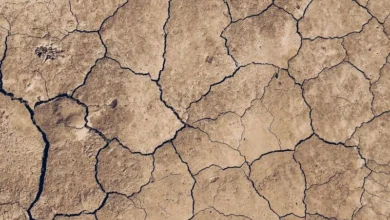
Reservoir Levels Fall Below Seasonal Average for Chennai — Latest Bulletin
Chennai water levels fall below seasonal average as summer nears. Reservoirs at 70% capacity raise concerns over future supply and demand balance.

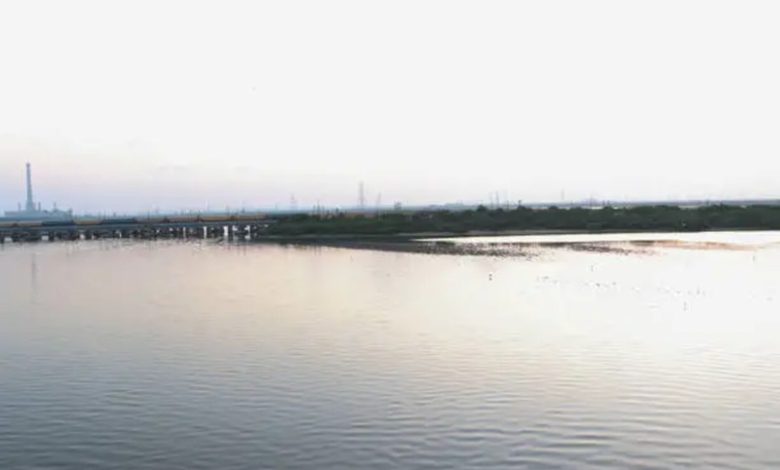
As summer approaches 2020, Chennai’s main drinking water sources are beginning to experience an expected decline in seasonal levels. Currently, storage levels in four main reservoirs, Poondi, Puzhal, Chembarambakkam, and Kannankottai, are approximately 70% full. Although supplies have not reached unacceptable limits, the actual storage amount is lower than typical comfortable seasonal levels previously experienced, of 80 to 95%.
What the Latest Bulletin Signals
The drop in storage levels is predominantly the result of increased outgoing flows combined with the steady increase in temperature. The following inventories reflect the primary reservoirs affected:
Approximately 8.237 TMC of 11.757 total TMC in storage
Storage levels in September of 2020 will reflect a 9-month declining trend from the previous high levels of September 2019, after having replenished itself from the strong northeast monsoon rains received.
Recent weeks have demonstrated a large decline in flows into several of the main reservoirs, such as the Puzhal reservoir.
Why This Matters Now
While stable current supply levels exist, the trend presently being observed compared to historical averages indicates potential supply shortages when summer demand is typically high, and with:
- High summer electricity demand
- Limited rainfall expected
- Limited water supply may be made worse because of high evaporation associated with the high summer temperatures.
Because the above conditions could cause reservoir supply levels to decrease sooner than historically observed in the past, early identification of storage level declines is critical to the city of Chennai not experiencing water shortages.
Is Chennai at Risk of a Water Crisis?
Not right now, but we should be cautious. Water levels at present are average, not concerning; however, they’re below the normal range for the peak season of summer.
Authority actions likely to occur:
- Regulations on water release.
- Monitoring consumption patterns.
- Contingency sources of supply will be created, including groundwater and desalination projects.
The future of supply greatly hinges on pre-monsoon rainy weather and proper consumption management.
Cooling Insights for Rising Temperatures
Which Hyderabad areas face worst heat?
Check the neighborhoods most vulnerable during extreme heatwaves in the city.
Which Indian cities face extreme heat?
Discover the regions across India at highest risk from rising temperatures.
Is major weather shift coming April?
Explore how upcoming weather changes could impact temperatures across India.
Which cities face climate risk 2026?
Check the urban areas under immediate environmental threat this year.
Why Chennai preparing early for heat?
Discover how Chennai is tackling rising temperatures and health risks early.
Final Words
Though Chennai’s latest facility bulletin is not a crisis, it is cause for concern. The city is currently considered secure with its water supply; however, as summer progresses, the focus will shift to the rate of depletion as well as managing remaining water supplies.
FAQs
1. Are Chennai reservoirs running dry?
No, levels are around 70%, but declining with the summer heat.
2. Why are levels falling now?
Due to high usage, evaporation, and reduced inflow.
3. Is there a water shortage currently?
No immediate shortage, but careful management is needed.
4. When will levels improve?
With pre-monsoon rains and the northeast monsoon later in the year.