

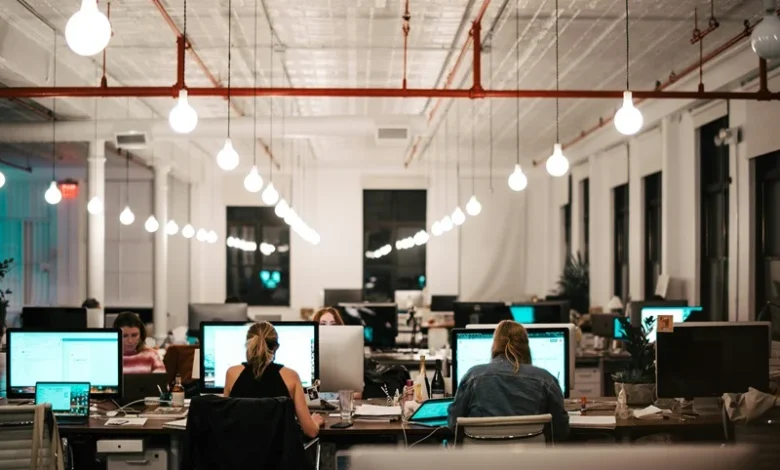
The summer heat in Mumbai is not just a matter of temperature; it is also a factor of humidity and time of day. The combination of exposure to the sun, high humidity, and urban heat buildup makes the middle of the day (between 12 and 4 PM) one of the most stressful times on the body, physiologically.
During this time, the heat from the sun and from the urban environment (buildings, concrete, vehicles, etc.) will make even a short period outside feel very hot, as it is difficult for our bodies to cool down. As a result, more companies are advising employees to limit travel and outdoor activity during periods of peak heat.
The Real Risk: Commutes, Crowding, and Heat Stress
The real problem is not inside the office but rather on the way to and from work. Numerous transport options such as crowded trains and buses, and congested roadways create concentrated areas (heat pockets) with limited air circulation, where body heat accumulates rapidly.
Humidity makes this situation worse, as it inhibits sweat from evaporating which results in increasingly rapid dehydration and exhaustion. Over the long term, this increases the likelihood of developing symptoms such as dizziness, headaches, and in some cases, heat stroke.
For most employees, the commute to work may be the deadliest aspect of their workday during a heat wave.
Hot Topics You Shouldn’t Miss
Is solar investment worth it 2026?
Discover whether switching to solar makes financial sense for your home this year.
Which solar brand performs better 2026?
Explore a detailed comparison of leading solar panel brands before you decide.
Best solar panels to buy India 2026?
Check which solar panel brands offer the best value and performance in India.
Are solar trees the future energy?
Discover how innovative solar trees could transform urban green energy solutions.
Why is solar cheaper than fossil?
Explore the global shift making solar power more affordable than traditional fuels.
How Offices Are Adapting to Extreme Heat
Organizations are trying to manage these risks by changing some work patterns. Some examples include:
- Flexible hours (start work early or start work late)
- Encouraging employees to work from home during extreme heat days
- Reducing the number of employees at work; providing alternative work areas outside of the main office space; and increasing workstation locations within an office.
What This Means for Employees
Employee routines have been adapted as well. Examples include earlier commuting hours, bringing water/electrolytes with them to work, and wearing lighter clothing in order to reduce heat stress. Overall, the shift is behaviourally based − heat is now affecting how/when (not just comfort) people work.
Final Words
Mumbai’s heat waves have changed the rhythm of the workday. Avoiding peak hours of the day has moved from being a convenience to being a necessity to protect your health and remain productive.
FAQs
1) Why is it more unsafe to work during the hottest part of the day?
Because temperatures and humidity will reach their maximum levels at midday. This makes it difficult for your body to cool down.
2) Is commuting to or from work more dangerous than working at your office?
Yes, there is an increased risk due to crowding, exposure, and limited ventilation while commuting.
3) Are flexible working hours becoming more common?
Yes, especially during heat wave periods.
4) What can employees do to remain safe during heat waves?
Remain hydrated, plan your commute after peak heat hour, and limit the amount of time spent outdoors.