
Why Your Delivery Rider is Facing 42°C Skin Temps Today, and the New ‘Cooling Vests’ Cities are Testing Right Now

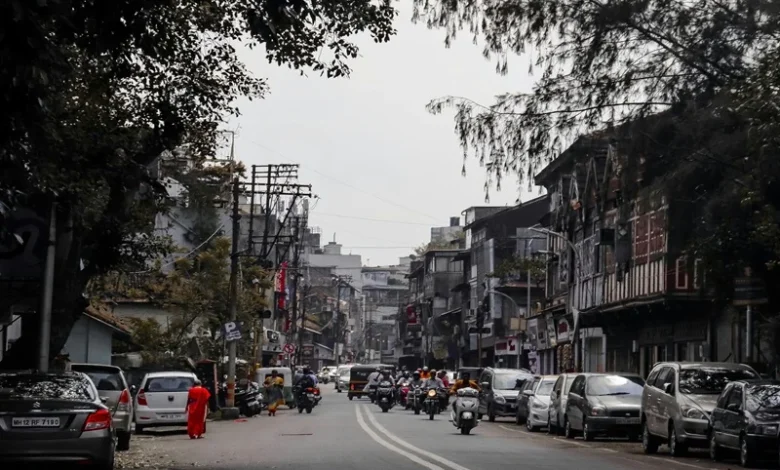
Although your city may be experiencing temperatures of 36-38 degrees Celsius, a delivery rider out working on the street can have skin temperatures greater than 42 degrees Celsius. The reason for this is that the temperature at the street level is much hotter than what is reported by weather apps!
Delivery riders in cities such as Delhi and Mumbai will work in direct sunlight, engine heat off of vehicles, and on heat radiating off of the asphalt roadway. These different surfaces are generally much hotter than air, they create a “heat bubble” around the rider.
On top of this, humidity decreases a person’s ability to cool down by sweating. The heat is trapped even more by the delivery riders wearing helmets, backpacks and close-fitting uniforms; thus, delivery riders absorb/retain heat faster than the body can dissipate it.
Why This Is a Serious Health Risk
Continual exposure to these types of conditions will put a significant amount of strain on the body. The heart has to work much harder to maintain an appropriate temperature, dehydration will happen quickly, and after only a few hours of continual work, fatigue will set in.
Delivery riders may be symptomatic with dizziness, headaches or confusion. In the worst-case scenario, delivery riders may develop heat stroke, which is a severe medical emergency characterized by failure of the body’s ability to regulate its temperature. Delivery riders are especially susceptible to heat stroke as the nature of their jobs forces them to work under constantly high work deadlines. Thus providing little opportunity for adequate rest and recovery during periods of extreme heat.
Explore More Smart Reads
Explore NYC heat risk neighborhoods today?
Discover which areas face the highest heat and flood risks in New York City.
Check top vs lower floors heat impact?
Explore how floor levels affect heat exposure in Dubai homes.
Discover natural ways to cool homes?
Check simple and effective methods to keep your house cool during heatwaves.
Explore cities hit hardest by heatwaves?
Discover the top global cities facing extreme heat conditions in 2025.
Check NYC areas hottest at night?
Explore which neighborhoods experience intense nighttime urban heat in New York City.
The New Solution: Cooling Vests Being Tested
Municipalities and corporations alike are beginning to pilot test new cooling vests designed for outdoor workers in an effort to help mitigate the impact of increased body heat due to working outdoors without access to large, heavy air conditioning units or continuous sources of electricity.
Currently, there are several cooling vests being used in outdoor workplaces:
• Water-evaporative cooling vests that use water and air movement to cool the body;
• Phase-change vests that draw heat from the body while remaining cool throughout the duration of their use; and
• Battery-powered vests that direct cool air around the body.
These pilot programs have produced successful results by helping provide workers with the ability to continue working outside longer, while reducing their risk of heat stress and providing comfort when working outdoors for extended periods of time.
What This Means for the Future
The development of cooling vests is indicative of a larger trend, the introduction of heat as an occupational health and safety problem.
This will force cities and municipalities to establish additional regulations pertaining to the overall welfare and safety of workers exposed to heat. These may include:
• Mandatory breaks for hydration and rest;
• Shade structures for deliveries; and
• Flexible scheduling of deliveries during heat events.
Increasingly, heat will become a primary factor in urban design and planning in order to protect outdoor employees from heat-related hazards.
Final Words
The next time a delivery is made to you, think about the conditions that were present when it arrived at your doorstep. Increasingly, heat represents a daily risk, in real life, to anyone who works outside — and so businesses will continue to search for solutions.
FAQs
1. Why is skin temperature higher than air temperature?
Because of direct sunlight and heat from roads and vehicles.
2. Are delivery riders at high risk?
Yes, due to continuous exposure and limited recovery time.
3. Do cooling vests work effectively?
Yes, they can reduce heat stress, though results vary by type.
4. Will these solutions become common?
Likely yes, as cities adapt to increasing heatwaves.