
Why Your EV Charges lower During This 45°C Heatwave – Prevention Tips for Drivers

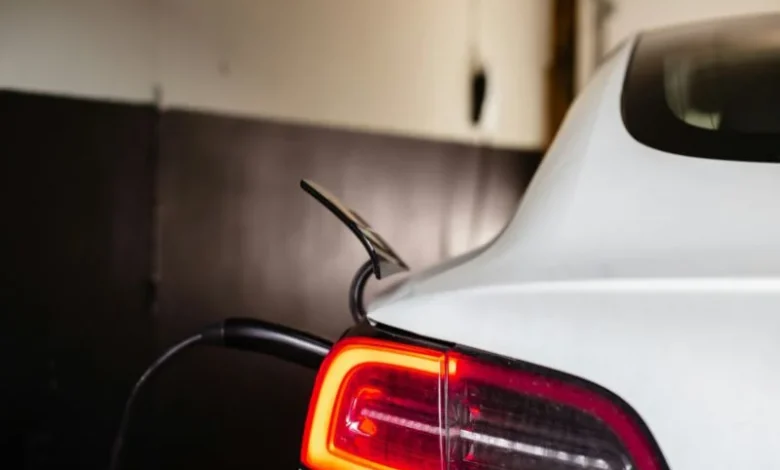
High temperatures exceeding 45°C in many cities around India are causing electric vehicles to charge much more slowly than normal at public charging stations due to a battery protection feature. This is not a technical problem but protects the batteries from becoming too hot when charging.
Batteries have a temperature range where they will operate optimally. EV batteries will produce heat during the charging process (particularly during fast charging). In very hot ambient temperature conditions, when charging begins, the EV battery system will automatically reduce the charge rate to avoid overheating and damaging the battery through thermal throttling.
Why Fast Charging Becomes More Difficult
Experts suggest that the thermal throttling functionality reduces:
- The degradation of the battery chemistry
- The chance that the battery will overheat
- The battery’s long-term life
- Instability when charging during extreme heat
Prevention Tips for EV Drivers
To help mitigate the problems caused by the extreme heat, electric vehicle owners may take some precautions:
- Park the vehicle in a shaded area whenever possible
- Allow the battery to cool down before charging with a fast charger
- Use AC charging at lower rates whenever possible when it is extremely hot
- Avoid repeated charging of the battery to 100% in and around extreme heat conditions
- Schedule your vehicle to charge overnight if your charging equipment allows you to do so
Heatwaves, EV Safety & Extreme Weather Impacts
Explore India dual weather split health risks?
Discover how heatwaves and heavy rain affect wellbeing.
Check protecting household during heat dome India?
Explore practical heatwave survival and cooling tips.
Discover EV fast charging heatwave risks?
Check why peak afternoon charging may harm batteries.
Explore EV battery survival extreme heat study?
Discover what research says about long-term durability.
Check Tata EV price cuts green bonuses?
Explore Nexon, Punch and Curvv EV discount offers.
Why Heatwaves Matter for EV Batteries
Heat waves also decrease your electric vehicle’s range slightly because power for the climate control and air conditioning systems will consume additional power. However, the long-term effects on the health of the battery due to chronic overheating is of greater concern than the effects from a short-term decrease in range.
Final Words
With intensifying summer heat waves creeping across India, electric vehicle owners will face a whole new set of challenges.
Charging slowly is sometimes annoying, but experts agree that in fact, you are doing everything right as long as your electric vehicle (EV) thermal protection system is functioning properly. As temperatures reach 45°C or higher, proper charging techniques and adequate heat management can be used to help preserve battery life in the future.
FAQs
Why do I have slow recharging when it’s hot out?
The battery management system limits the rate of recharge in order to prevent the battery from becoming too hot.
Is it unsafe when I charge slowly?
No. Charging slowly is typically a safety measure implemented to ensure that future battery longevity remains intact.
Does fast charging generate additional heat to the battery pack?
Yes. Direct Current (DC) fast charging produces more heat than Alternating Current (AC).
What times of the day should I charge my vehicle?
The best times to charge vehicles are during early morning or late evening as well during nighttime hours.