Rising Heat, Rising Mantis Sightings: What Climate Change Means for This Garden Predator

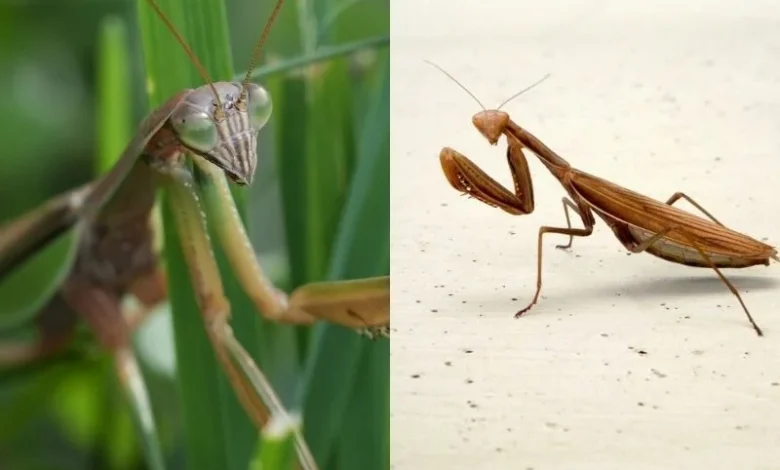
If you’ve seen more praying mantises in your garden this year, you’re not just imagining it. Strange numbers of these insects have been reported by gardeners in many countries, often in places where they have rarely been seen. praying mantis sightings, Many experts say this is due to hot weather and back-to-back heatwaves, which seem to be helping mantises to move into new territory.
Why Hot Weather Is Altering Mantis Numbers
Because mantises are cold-blooded, they don’t have the ability to internally heat or cool their bodies to a desired temperature. They do well in a long, dry, warm summer: more time to hunt, more time to mate, and a better chance that eggs will hatch before the cold sets in. Now small populations can establish and slowly spread in places that were a little too cool for them all year round, with milder winters and hotter summers now allowing them to do so.
That said, it isn’t just “hotter” that means more mantises. “Extreme, prolonged heat waves can also work against them, in the form of dehydration or making hunting more difficult when shade and moisture become scarce. Scientists tracking these trends are cautious. One hot summer does not make a trend. Scientists typically prefer to see several years of consistent data before they label it as a real shift rather than a one-off.
What It Means for Gardens
Mantises are a favorite of organic gardeners because they eat aphids, flies, and other small pests. More of them could mean—
•Reduced dependence on chemical pesticides at home.
•A natural check on the crop-destroying insects.
•Catching local wildlife groups by surprise, sightings in areas with no previous mantis records
How you can help to track the trend
This is one place where common everyday observation really counts. Across Europe, North America and beyond, local biodiversity groups and nature charities are now adopting public sightings as a way of building a clearer picture over time.
•Take a photograph of any mantis you see and note the color and exact location.
•Report the sighting to a local wildlife recording website.
•Do not move the insect. Leave it where it is.
•Report sightings to community nature groups to assist with tracking the spread.
Conclusion – praying mantis sightings
The slow creep of the praying mantis into new territory is a small but telling example of how hot weather and changing climate patterns are quietly transforming the nature around us. Keeping a lookout and reporting your sightings significantly aids researchers in constructing a comprehensive understanding. Next time you see one in your garden, take a picture first; it could be more important than you think.
Track the latest climate changes.
Is Your Seafood Becoming Riskier?
Find how El Niño affects ocean pollution.
Why Are Heatwaves Getting Worse?
Check out the link between monsoons and El Niño.
What Happens During Super El Niño?
See the major weather changes ahead.
Could Food Prices Rise Soon?
Uncover how climate affects grocery costs.
How Will Weather Patterns Change?
Get to know this summer’s biggest climate shifts.