Kelp Forests Are Disappearing Twice as Fast as Coral Reefs: Why Isn’t Anyone Talking About It?
Marine ecosystems face growing risks as Kelp Forest Decline accelerates worldwide. Learn why these underwater forests matter and take action today.

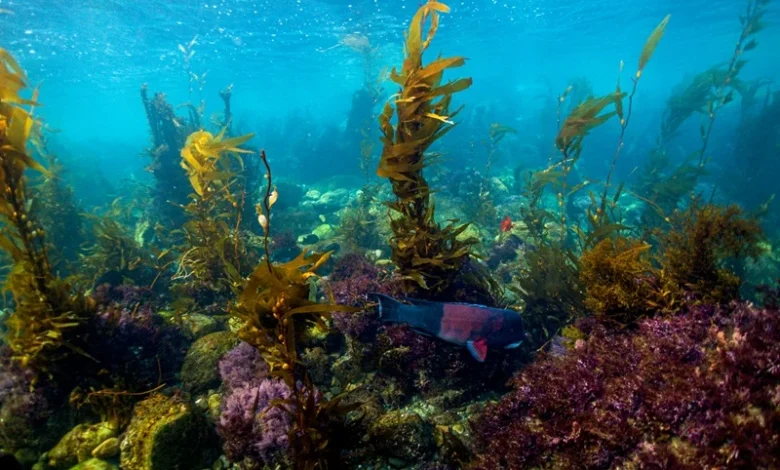
Kelp forests are vanishing fast in parts of the world, but their decline is attracting nowhere near as much attention as coral bleaching. A new report found that kelp forests are disappearing at about twice the rate of coral reefs. These silent crises matter because these underwater forests are important to fisheries and coastal communities and marine life.
Why Kelp Forests Matter
Kelp ecosystems: Kelp forests thrive in cool, nutrient-rich coastal waters. Their tall structures provide a home for fish, shellfish, sea otters and many smaller creatures.
They also recycle nutrients and dampen wave energy. Healthy kelp forests also support recreational and fishing communities. So kelp is not only environmentally important but economically as well.
What’s killing off kelp forests?
One of the biggest threats is the warming of the seas. “Kelp needs the right temperature and a lot of nutrients to be able to grow. Long-lasting marine heatwaves can also damage plants and be harder to recover from.
This can be made worse by breaking natural food chains. For instance, in California, sea urchin populations exploded when their predators were removed. These urchins can eat huge amounts of kelp. So it can’t regrow.
Other pressures are :
- Pollution of the sea
- Transported sediments to the sea
- Overuse”
- Habitat disruption
- Big storms
- Variations in sea temperature
Why the crisis is less in the spotlight
You can see bleached reefs of coral, very visible and easy to photograph. Another problem is kelp forests. They often decline out of public view and can be unnoticed.
Bad visibility can affect funding, conservation campaigns and political priorities. But if the kelp goes, so do the nurseries and feeding grounds for marine species.
How do we save kelp forests?
Some places are already trying out restoration. Conservation groups can remove the excess sea urchins, increase predator populations and plant new kelp in damaged areas.
California is one example. Scientists and conservation groups are watching the remaining forests and trying targeted approaches to restore them. Projects include management and monitoring of local fisheries on an ecological basis.
People can also help by:
- Support sustainable seafood choices.
- Cut Down on Shoreline Plastic Pollution Respect marine protected areas.
- Support the Kelp Restoration Project.
- Learning about local efforts to save the ocean.
Conclusion
We should be just as worried about the loss of kelp forests as we are about the other big ocean crises. The loss of these can affect biodiversity, fisheries and coastal resilience far beyond the seafloor. “We need less warming of the ocean, more local conservation and faster restoration to save these ecosystems.
More ocean stories to explore.
How Are Coral Reefs Being Saved?
Discover how innovative conservation efforts are protecting reefs.
Why Does Coral Bleaching Spread?
Find what causes bleaching and supports reef recovery.
Why Are Global Reefs Collapsing?
Uncover how climate change is damaging coral ecosystems.
How Severe Is Coral Bleaching?
See why bleaching now affects most coral ecosystems.
Why Are Reefs Facing Extreme Heat?
Look into the growing impact of ocean warming on reefs.