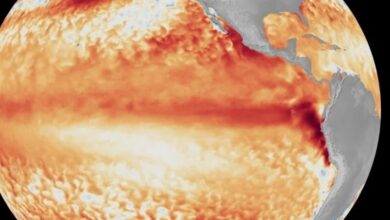

Scientists are increasingly concerned about how marine heatwaves are becoming moreregular, lasting longer, and being more intense. When sea surface temperature remains high for many days or even months, this is called a marine heatwave. Marine heatwaves occur under water but have a significant impact on weather, fisheries, marine ecosystems, and coastal communities.
1. They Disrupt Marine Life
Marine heatwaves can cause some species to migrate to cooler waters and others to struggle and die: Both of which have impacts on biodiversity and marine ecosystems.
2. Coral Bleaching Is Increasing
Coral bleaching has been increasing around the world as a result of long-term, high temperature seawater causing corals to expel the algae they live in symbiosis with, and resulting in their death.
3. Fisheries Are Affected
Marine heat waves cause the redistribution of fish stocks which create difficulties for fishing communities to predict their catches and directly impact food supplies for those communities and the local economies that depend on them.
4. They Influence Weather Patterns
Marine heat waves release large amounts of heat and moisture into the atmosphere which affect numbers of rainfall, storm patterns and other weather conditions.
5. Stronger Tropical Cyclones
Ocean temperatures that are warmer, give tropical cyclones greater energy and increase the likelihood that they will intensify when atmospheric conditions are optimal.
6. Rising Risks for Coastal Communities
Marine heatwaves can contribute to harmful algal blooms, lower water quality, and changes in coastal ecosystems that affect tourism and livelihoods.
7. They Indicate Climate Change
Tracking long-term change within the Earth’s climate system can help scientists monitor climate trends.
8. Better Forecasting Improves Preparedness
By following ocean temperature, scientists will be able to issue advance warnings to fisheries/coastal industries and conservation organizations/governments to allow for adequate preparation for potential climate impacts.
Conclusion
Marine heatwaves are becoming far more common in occurrence and intensity and have serious implications for marine ecosystems, weather patterns, fisheries, and coastal economies around the globe. Through dedicated tracking of ocean temperatures, scientists will be able to produce stronger forecasts, enhance conservation efforts, and provide communities with the information needed to react effectively to the impacts of climate change.
FAQs
How long do marine heatwaves last?
Marine heatwaves generally occur for an extended period of time (usually months) when ocean temperatures remain significantly above normal.
What do marine heatwaves impact?
Marine heatwaves hurt marine ecosystems and species; damage coral reef systems; disrupt fisheries; alter weather patterns; and disrupt communities.
How do marine heatwaves affect tropical cyclones?
A warmer ocean provides an energy source to tropical cyclones which can enhance their strength if other favourable conditions exist.
How do marine heatwaves impact corals?
When corals are exposed to warmer waters, they are prone to bleaching, which greatly reduces the overall health and survival of the coral ecosystem.