Heatwave Alert: 10 Cities Where Temperatures Feel Higher Than the Actual Weather Forecast

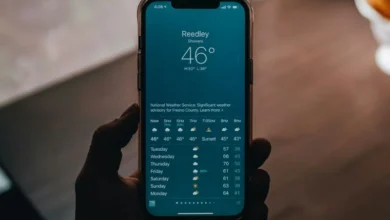
The temperature that shows up on a forecast does not necessarily correspond with what an individual will actually experience through their own body temperature. High relative humidity, high intensity of sun exposure, low wind speed, heat radiated from concrete surfaces and pavements or asphalt roads and buildings are just some of the numerous temperature-raising factors that can contribute to an individual experiencing temperatures many degrees more than what was forecasted. This is what is termed the “feels like” temperature or “heat index”.
1. Delhi, India
Due to Delhi’s dense urban development, the high volume of vehicular traffic, and low levels of vegetation, considerable amounts of thermal heat are absorbed and retained in the city during summer heat waves.
2. Mumbai, India
Due to the combination of high humidity levels and extreme heat (greater than thirty-five degrees Celsius), the heat index will usually rise to greater than forty-five degrees Celsius, causing extreme discomfort levels for individuals.
3. Dubai, UAE
With the combination of extreme solar intensity levels and high relative humidity levels found in coastal areas, the “feels like” temperature will typically be higher than what the air temperature would measure.
4. Bangkok, Thailand
Tropical humid conditions create environments where the temperature will feel significantly above the measured temperature; most noticeably during the midday period.
5. Karachi, Pakistan
The combination of high winds blowing from the coastline and the high humidity found in coastal areas create extreme discomfort from heat index levels in this region during summer months.
6. Houston, USA
The relative humidity levels from the Gulf of Mexico create discomfort levels of several degrees higher than measured air temperatures in Houston, Texas.
7. Singapore
The high humidity level associated with a tropical climate year-round will create high levels of discomfort when compared to the air temperatures measured; especially with little or no wind.
8. Riyadh, Saudi Arabia
Although Riyadh has low humidity levels, the extreme solar intensity and the heat generated by urban development will create a significant amount of thermal stress on an outdoor person.
9. Manila, Philippines
A combination of high humidity with the very heavy urban environment produces some of the highest heat indexes on the planet.
10. Cairo, Egypt
Because of many days of intense sunshine as well as very large amounts of concrete, outdoor temperatures feel much hotter than daily temperature readings.
Conclusion
The actual outdoor temperature may not be consistently comparable to what the weather report has indicated. Many of the major cities have lots of humidity, as well as some have lots of urban heat islands and too much direct sunlight, which makes outdoor conditions feel much more oppressive than predicted. If it is a heat wave, always check the temperature and the heat index prior to spending an extended amount of time outside during this time.
FAQs
What does the “feels-like” temperature refer to?
It is the temperature your body feels after factoring in the impact of humidity, wind, and sunshine.
How does humidity affect how hot it feels?
A high level of humidity prevents sweat from evaporating as quickly as it should and makes it difficult for your body to release heat during periods of extreme heat.
What is an urban heat island?
An area of an urban city where large amounts of concrete, asphalt, and buildings retain heat more than in the non-urban countryside.
Which city has the highest heat index of any city around the world?
Cities along the coast and close to the equator, such as Mumbai, Singapore, and Bangkok, tend to be the cities with the highest heat index.