Coral Reefs and Climate Change: How Rising Ocean Temperatures Are Changing Marine Life

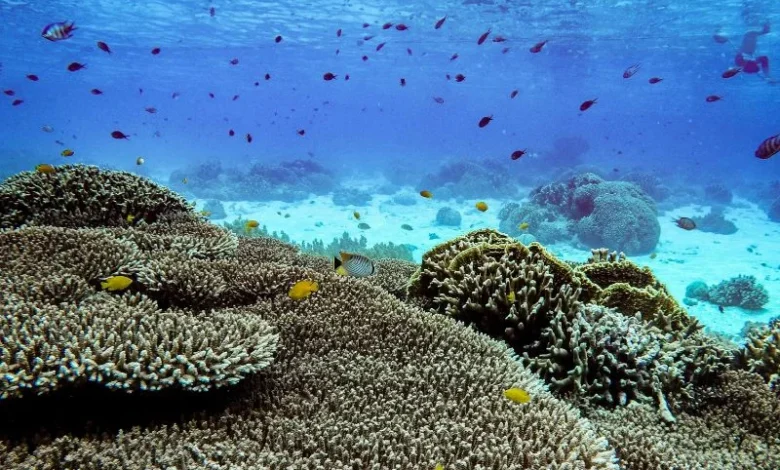
Something disturbing is happening just below the surface of the ocean. By the start of 2025, approximately 84% of the world’s reefs of coral had already been hit by heat stress severe enough to cause bleaching. coral reefs, While reefs are tiny slivers of the ocean floor, supporting nearly a quarter of all sea life, their suffering has far-reaching effects.
What Is Bleaching Actually?
Corals get their colour from tiny algae that live inside them. If the water gets too warm, the corals kick out the algae and their tissue turns pale or white. A bleached coral might not be dead yet, but it’s starving and much more vulnerable to disease. If the heat doesn’t abate soon enough, the coral eventually dies.
The actual problem is heatwaves
Marine heatwaves – periods of unusually warm ocean water – are the biggest reason for most big bleaching events. Reefs would get a few cooler years in between to bounce back; these heatwaves used to be rare enough. That’s changing.” The warming of the oceans is intensifying, lengthening and speeding up heatwaves, and leaving the reefs less time to recover before the next one hits. In many places, average coral cover on reefs has fallen from around 60 per cent to below 20 per cent over the last thirty years.
Some corals are better at coping than others.
Interestingly, not all corals bleach the same. Fast-growing species tend to die off quickly under heat stress, while slower, hardier species tend to survive bleaching with less damage. In the long run, this could lead to reefs with fewer, more resilient coral species rather than the vibrant ecosystems they used to be.
The Ripple Effect on Sea Life
The ocean’s nurseries are reefs. They breed there, they feed there, they hide there. When reefs decline, fish populations often decline too, which can hit local fishing communities hard. Reefs also help protect coasts from wave damage, and weaker reefs mean more exposed, more vulnerable shores.
A larger warning sign – coral reefs
For years, people thought climate change would mostly manifest in the air we breathe. But ocean warming tells a different story. When reefs bleach this widely, it tells us that big changes are occurring across marine systems.
Bleaching can’t be stopped entirely, but the damage can be slowed. But the most important thing in the long run is to cut emissions, reduce pollution, protect reef zones and support coral restoration work. Reefs have proven that with enough time they can recover. But the real question is: will they get that opportunity?
Explore More: Discover the Ideas and Innovations Shaping Tomorrow
Which Technologies Will Transform Industries Next?
Discover the breakthrough technologies that could reshape traditional industries and the future of work.
Why Are Wetlands So Important Globally?
Explore the world’s most important wetlands and learn why they are vital for nature and humanity.
Can Innovation Improve Renewable Energy Reliability?
Check out the latest innovations making renewable energy cleaner, smarter, and more dependable.
Which Countries Lead Green Living?
Discover the 2026 ranking of the world’s greenest countries and their sustainability achievements.
How Are Cities Fighting Climate Change?
Explore the cities investing in climate-resilient infrastructure to prepare for a changing future.