From Food Delivery to Traffic Police: Who Faces the Worst Heat Exposure? And Possible Solutions!

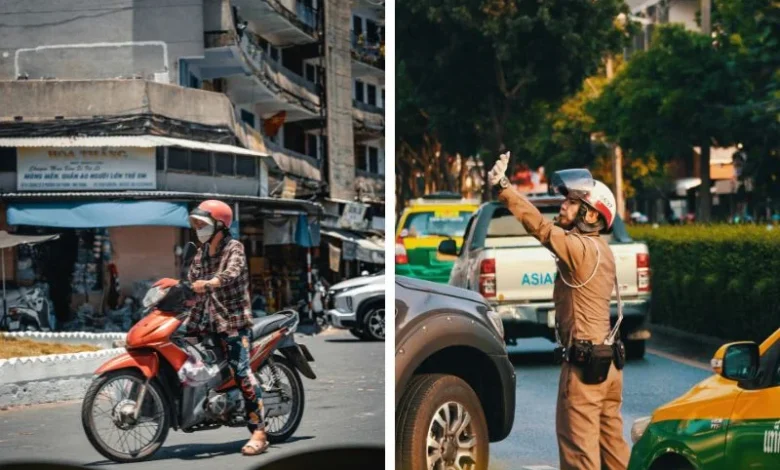
People working outdoors for prolonged periods, without adequate access to shade, water, or cooling, will face the most extreme heat. The job categories with the highest risk are food delivery riders, traffic police, construction workers, street vendors, sanitation workers, and gig economy drivers in metropolitan areas such as Delhi and Mumbai, where these workers have constant exposure to heat in the streets and at traffic intersections with no shading from trees and where the temperature feels much greater than what is recorded by air conditioning units.
The reason these jobs are more dangerous than they appear is that workers are exposed to both a high temperature and for long periods of time at that high temperature.
Why These Jobs Are More Dangerous Than They Look
Long-term heat exposure can cause workers to have problems, which may not seem to be an inconvenience, including:
- Decreased ability to concentrate and slower reaction times.
- Increased risk of being involved in an accident (i.e., motor vehicle accidents for drivers or traffic accidents for police).
- Chronic dehydration and chronic health status.
- Decreased productivity and eventual reduced wage earnings.
The Hidden Impact on Health and Productivity
Prolonged heat exposure leads to more than just discomfort. Workers may experience:
- Reduced concentration and slower reaction times
- Increased risk of accidents (especially for drivers and police)
- Chronic dehydration and long-term health issues
- Lower productivity and income loss
More Stories You Shouldn’t Miss
Which Hyderabad areas face worst heat?
Check the neighborhoods most vulnerable during extreme heatwaves in the city.
Which Indian cities face extreme heat?
Discover the regions across India at highest risk from rising temperatures.
Is major weather shift coming April?
Explore how upcoming weather changes could impact temperatures across India.
Which cities face climate risk 2026?
Check the urban areas under immediate environmental threat this year.
Why Chennai preparing early for heat?
Discover how Chennai is tackling rising temperatures and health risks early.
Practical Solutions That Can Make a Real Difference
Solving this problem requires both individual and system-level modifications.
Immediate Solutions:
- Hydration station access and shaded rest areas are available
- Mandatory cooling breaks during peak heat hours
- Utilization of protective equipment, including headwear (hats), cooling vests, and clothing made from breathable materials
Policy Solutions:
- Altered work schedules to avoid working in the hottest part of the day
- Establish Heat Safety Guidelines For Employers & Gig Workers That Protect Employees From Extreme Temperatures
- Provide public infrastructure, including shaded bus stops and cooling zones
- Technological/Urban Solutions:
- Increase the number of trees to reduce heat at the street level
- Use of reflective materials for road surfaces and improvements in urban design
- Real-time heat alerts for workers outdoors
Final Words
Heatwaves affect dissimilarly with the highest temperature impact on the most exposed and least protected workers. The first step towards solving this problem is recognizing the disconnect between the heat stress of employees who work in our cities on a daily basis and the need to protect those workers from the impact of increasing levels of extreme weather.
FAQs
1. Who is most at risk during heatwaves?
Outdoor workers include delivery riders, traffic police, and construction workers.
2. Why is prolonged exposure dangerous?
Because it leads to dehydration and increases the risk of heatstroke.
3. Can this problem be reduced?
Yes, through better policies, infrastructure, and awareness.
4. Are cities addressing this issue?
Some are, but efforts are still limited and uneven.