
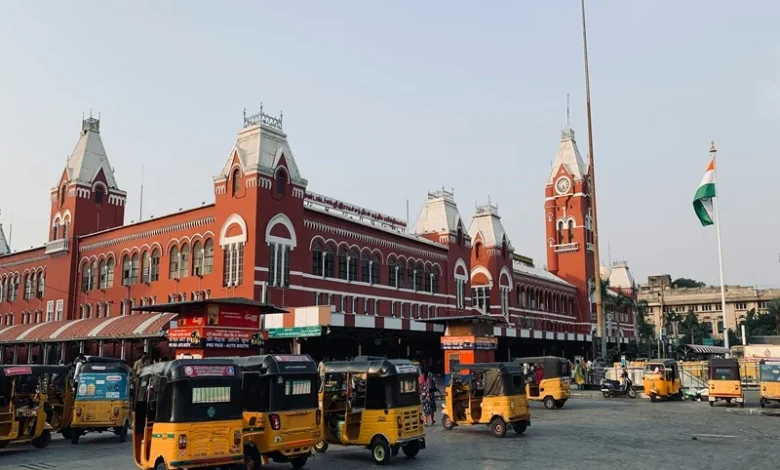
The Chennai metropolitan area is experiencing a clear pattern of longer periods of extreme temperatures (heat waves), higher temperatures at night (hot nights), and increased humidity. The traditional methods to respond to extreme heat (fans, air conditioning, and ad hoc advisories) are insufficient on a city-wide scale, leading urban planners to find solutions for dedicated cooling infrastructure as part of their development plans, rather than just an emergency measure.
The intention of all of these cooling infrastructure interventions is to reduce ambient temperatures, provide potential health protection to the public, and ensure that the city operates during periods of extreme heat—specifically for those who spend time outdoors and/or live in heat vulnerable neighbourhoods.
What “Cooling Infrastructure” Actually Includes
Cooling infrastructure is not a single project; rather it includes a series of interventions that can reduce the amount of heat exposure experienced across the city:
- Urban tree canopies and shaded corridors to reduce the amount of direct solar gain on city streets
- Cool roofs and reflective materials used to decrease buildings’ heat absorption
- Blue infrastructure (such as lakes, restored bodies of water, misting points) to provide additional support for local cooling
- Heat-resilient public spaces such as bus shelters, walking trails, and markets with shaded areas; as well as ventilation provided by building and landscape elements
- Cooling centres (public facilities with air conditioning) that operate during the hottest parts of the day
Cooling Insights for Rising Temperatures
Which Hyderabad areas face worst heat?
Check the neighborhoods most vulnerable during extreme heatwaves in the city.
Which Indian cities face extreme heat?
Discover the regions across India at highest risk from rising temperatures.
Is major weather shift coming April?
Explore how upcoming weather changes could impact temperatures across India.
Which cities face climate risk 2026?
Check the urban areas under immediate environmental threat this year.
Why Chennai preparing early for heat?
Discover how Chennai is tackling rising temperatures and health risks early.
Why This Shift Matters Now
Historically, cities have built for rain, transportation, and habitation; they have not built specifically to address extreme heat. As a result of this shift away from reactive measures (i.e., advisories, school closures, etc.) towards proactive measures by implementing thoughtful designs of new infrastructure that takes into account the increasing prevalence of extreme heat episodes in Chennai, planners will be able to address the public health and economic impacts caused by extreme heat events in urban populations.
The Limits: Why AC Alone Isn’t the Answer
Air-conditioning certainly provides relief in the indoor environment, however, it does not make up for the heat present across an entire city and certainly increases demand for energy. In fact, if AC is implemented without replacing current energy sources, there will be an increase in ambient temperature through the waste heat created by increased energy demands.
Cities like Chennai are therefore looking to other solutions such as utilizing passive cooling strategies i.e., using trees, materials, water, and airflow, in addition to using more efficient active types of cooling methods. In turn, cities are beginning to approach their efforts at managing heat (heating/cooling) sustainably and equitably.
Final Words
Chennai’s initiative represents a larger trend amongst cities that have begun to not only design their cities with heat in mind but also proactively mitigate the effects of heat on their residents through sustainable and equitable methods of development.
FAQs
1. What Is Cooling Infrastructure?
Urban systems (trees, rooftops, shaded/sheltered areas) that help reduce exposure to heat.
2. Will This Significantly Reduce Temperature?
Yes. Except the climate’s impact on increasing street-level heat, the system will effectively reduce levels of heat.
3. Is The Proposed Cooling Infrastructure Only For Extreme Heat?
No. The proposed cooling infrastructure will enhance comfort and resiliency to heat on an annual basis.
4. Can These Other Cities Use This Model?
Yes. This model can be effectively used in other cities that have or will experience excessive heat.