Rising Human-Tiger Conflict in the Sundarbans: How Ecological Degradation Is Fuelling the Crisis
Explore how ecological degradation is driving human-tiger conflict in the Sundarbans and learn about causes, impacts and conservation efforts today.

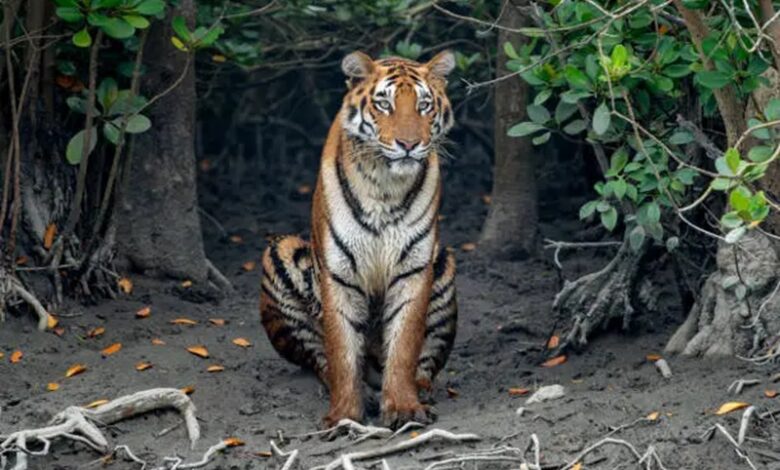
Human-tiger conflict is now one of the most pressing wildlife issues along the Bangladesh and Indian coastline. The Sundarbans mangrove forest is diminishing and evolving, forcing tigers and local villagers into the same shrinking space, often with tragic results. The escalating crisis is not just about wildlife, it is about survival on both sides.
Why Tigers Are Coming Into Conflict
The Sundarbans is the world’s largest mangrove forest located in southwestern Bangladesh and West Bengal in India. The Bengal tiger lives there, and hundreds of species of birds, fish and reptiles. But this fragile ecosystem is under threat. Most tiger attacks happen during crab harvesting, followed by fishing, honey collection and prawn harvesting. These aren’t hobbies, these are daily livelihoods for thousands of poor families with little other choice.
Habitat Loss and Attacks: How They Are Connected
Researchers have found the same root cause again and again. Large-scale deforestation is destroying tiger habitat and tigers occasionally attack nearby villagers. People living in the forest, who depend on mangroves for wax, honey and firewood are going deeper into tiger territory just to make a living. On top of this, climate change, salinity and pressure on natural resources are piling on the strain on the Sundarbans ecosystem.
The Human Toll
This is a tragedy of the greatest magnitude. Sundarbans tigers kill around 100-120 people a year, leaving thousands of widows in both countries who are often socially excluded afterwards. In many villages, being widowed by a tiger attack remains an unfair stigma, adding to the emotional hardship with financial loss.
What we are doing
Forest departments and conservation groups in Bangladesh and India are trying to come up with solutions, including alert systems based on cameras, nylon-net fencing along vulnerable fringe areas and awareness programmes for communities. Local NGOs also run support groups for families affected. In Bangladesh, collaboration with the Bangladesh Forest Department and local union parishads (local government bodies) remains critical to disseminate safety information in remote, mobile-first villages, where smartphones—not printed notices—are now the primary medium for news.
Safety Checklist for Villagers and Guests
- Do not walk alone on the edge of the forest, especially at dawn and dusk
- Travel in groups when gathering crabs, honey or firewood
- Report tiger sightings to the local forest office immediately
- Save mobile numbers of nearest forest range office
- Support community-based livelihood programmes that reduce dependence on forest resources.
- When possible, join local awareness sessions held by conservation groups.
Stay ahead with more climate insights and expert discoveries.
Why Do Biodiversity Hotspots Matter?
Check out how nature helps fight climate change naturally.
Why Is Karachi Facing Rising Risks?
Uncover why climate threats are growing across the city.
Why Are Monsoons So Unpredictable Now?
Dive into how climate change is reshaping seasonal rainfall.
Can Climate Change Harm Your Heart?
Get to know how extreme weather affects cardiac health.
How Do Scientists Trace Climate Disasters?
Find how attribution science connects disasters to climate change.
Conclusions
“The increasing man-tiger conflict in the Sundarbans is not simply a wildlife issue, but rather an indication of a forest in trouble. Better land use, reduced pollution and community-based livelihood alternatives can ease the pressure on both tigers and the people who live beside them as well as protecting the mangroves. For generations, the forest and its people have lived together and with the right support that balance can still be protected.
Takeaway: Saving the Sundarbans forest is the best way to save its tigers and the families that live in its shadow.