Bangladesh’s Hilsa Ban Is Saving Fish Stocks, But Fishing Families Are Paying The Price In Lost Income
Bangladesh Hilsa Ban boosts fish stocks but cuts fishing families' income, highlighting livelihood challenges, aid gaps and conservation tradeoffs.

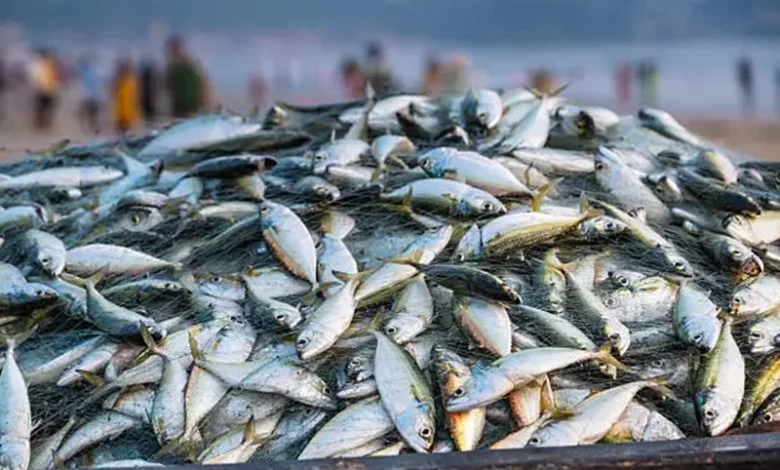
Every year, Bangladesh’s rivers fall silent for weeks at a stretch. No boats, no nets, no hilsa on the market stalls. The hilsa fishing ban has become one of the country’s most successful conservation stories, but behind healthier rivers is a harder story about fishermen who go without pay while the fish recover.
What The Hilsa Ban Actually Involves
Hilsa is Bangladesh’s national fish and a livelihood source for nearly two million people, from boat owners to net menders to traders. The government runs several overlapping bans through the year: a 22-day nationwide ban in October during peak breeding season, a two-month river ban on the Meghna and Padma to protect juvenile hilsa, and a marine ban of almost two months in the Bay of Bengal. Together, many fishing households lose income for well over 100 days a year.
The results on the water are hard to argue with. Hilsa production has grown sharply since the bans began, and recent breeding season data show tens of billions of new juvenile hilsa added to rivers in a single season. For the fish, the hilsa ban is clearly working.
Why The Ban Hurts Household Budgets
For fishing families, the math is harder. Most fishermen are paid daily, with no fixed salary and little formal savings. When the ban closes rivers and sea, income disappears overnight, and many households turn to informal moneylenders for credit, starting debt cycles that outlast the ban itself.
The government does offer some cushioning through the Vulnerable Group Feeding programme, giving registered fishermen rice during ban periods. But families in Bhola, Patuakhali and Barguna have repeatedly reported that this aid arrives late, or that eligibility lists leave out genuine fishermen.
How Fishing Families Can Protect Their Income
- Register early with the local Fisheries office for the VGF rice list, and keep documents updated
- Open a bKash, Nagad or Rocket account to receive aid directly and build a savings habit
- Set aside part of income during open fishing months specifically for the ban period
- Explore alternative work during the ban, such as boat repair, net making or day labour
- Join a local fishermen’s samity for group savings and early warning on ban dates
- Ask the union parishad about NGO livelihood programmes for closed-season support
Where Local Systems Can Help
Cooperatives, upazila fisheries offices and mobile financial services already function in most coastal districts. Fishermen who stay connected to their sanity and keep VGF registration current tend to get aid faster.
Conclusion
The hilsa ban is doing what it was designed to do: giving Bangladesh’s rivers a real chance to recover. But conservation success on the water should not mean hunger on land. Families who register early, save through mobile banking, and build a second income stand a far better chance of surviving each ban debt-free.
Don’t Miss These Climate Updates
Why Is The Aral Sea Drying?
Discover how a dying lake offers lessons for shrinking Philippine reservoirs.
Which Cities Face Heavy Rain?
Check out the latest cyclone path and coastal rain alerts.
Why Is Delhi Weather Changing?
Find out what is causing rapid shifts between heatwaves and rainfall.
Why Are Floods And Heat?
Dive into the unusual jet stream pattern driving extreme weather across India.
Why Are Cities So Hot?
See why India dominates the world’s hottest cities list today.