

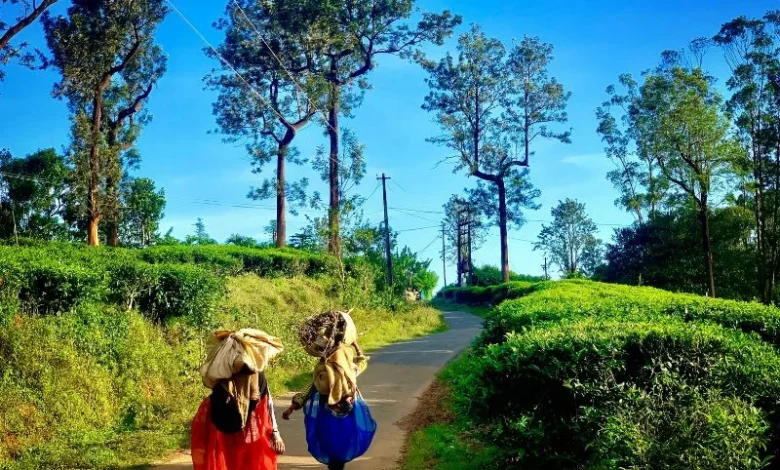
Ask anyone in Kerala where to find a cool escape, and they will probably say Wayanad. Mist on the hills, chilly nights and endless green made it a favourite. But Wayanad warming is now showing up in real numbers. The district sits in the Western Ghats, a global biodiversity hotspot, so its changing climate is worth the world’s attention.
What the Thermometers Are Saying
In the first 17 days of September 2026, Wayanad averaged 29.2°C. The same stretch in 2023, 2024 and 2025 hovered around 27.3°C. That is nearly two degrees hotter. Daytime highs stayed above 30°C for a full week, and bare ground touched 39°C.
Ordinary People Doing Extraordinary Science
The figures come from the Hume Centre for Ecology and Wildlife Biology in Kalpetta. After the floods and landslides of 2018 and 2019, the centre set up rain gauges and thermometers at hundreds of spots, many looked after by local residents. Because rain here changes from one valley to the next, this village-level data catches what distant weather stations miss.
Why Farmers Feel It First
Wayanad’s crops grew up around a steady pattern of rain, sun and cool nights. Now that pattern is slipping.
Coffee, Pepper and Rice Under Pressure
Coffee farming depends on well-timed rain and dry spells. One plant was spotted flowering in September, months before its usual season. A study of Robusta coffee farms suggested yields could drop by about 12% across the region if the planet warms by 2°C. Meanwhile, every paddy field and areca nut grove needs dependable water, and drier soil and falling groundwater make that harder to count on.
Dry Spells and Sudden Downpours
Heat is only half the story. The weather is also getting harder to predict. A long dry spell can be followed by violent rain. The 2024 Wayanad landslides came after rain that scientists estimate was about 10.8% heavier because of human-driven warming. A strong El Niño may be boosting this year’s heat, though one season alone cannot prove a lasting change.
Health, Tourism and the Land Itself
Hot days followed by cool nights can bring dehydration and heat stress. Farm workers, older people and children are the most exposed. Tourism may suffer too, since visitors come to beat the heat of the plains.
Fewer Trees, More Heat
Satellite images show more concrete and less farmland and paddy. Trees and crops cool the ground and hold moisture, while bare soil bakes. The district’s rivers, including the Kabini, and the wider Nilgiri Biosphere Reserve depend on that green cover.
Conclusion – Wayanad warming
Wayanad warming is a local story with a global message. The hills are not lost, but the old climate can’t be taken for granted. Farmers can plan for both drought and heavy rain. Residents can protect shade trees, wetlands and topsoil. Visitors can pick low-impact stays. And keeping community weather networks running will help everyone adapt sooner.
Stay informed on nature’s biggest global events.
How Active Is Russia’s Volcano?
Find out what triggered this rare volcanic eruption after the powerful earthquake.
Could Japan Face Another Disaster?
Dive into Japan’s ongoing efforts to tackle earthquakes and volcanic threats.
Is Vanuatu Safe To Visit?
Check out the latest travel guidance after the recent major earthquake.
Why Is The Ozone Recovering?
Uncover what the smaller Antarctic ozone hole means for the environment.
How Vital Is Ayeyarwady River?
Look into why protecting Myanmar’s lifeline is crucial for communities and nature.