Tornado After Summer Heat Wave Rattles Sicilian Towns: What Happened and How to Stay Safe

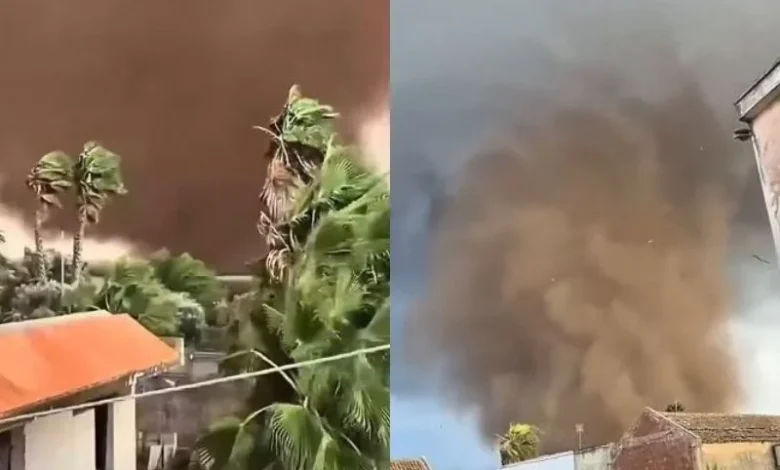
Italy’s brutal summer is behind it, yet the weather is far from calm. Sicilian tornado, This week, a tornado hits Sicilian towns just weeks after record-level warnings covered the country. A heat wave does more than burn crops and empty beaches. It warms the sea, and that stored warmth can feed violent storms later in the year. Here is what happened, why it matters, and how people can protect themselves.
Why a Heat Wave Can Lead to a Tornado
Think of the Mediterranean as a giant hot water bottle. After months of sun, it keeps its warmth deep into October. When cooler air sweeps down from the north and hits that warm, damp air, storm clouds grow fast. Some of them begin to rotate, and that is how a tornado is born.
Italy certainly had the heat. In early August 2026, extreme heat alerts covered most of the country, and 27 cities sat under the red warning. That energy did not vanish when autumn arrived.
European tornadoes are usually smaller than the huge ones seen in the American Midwest. Experts rate them on the Enhanced Fujita scale, which runs from EF0 to EF5. Even a weak one can strip roof tiles, flatten fences and toss patio furniture into the street.
Why Sicilian Towns Face Extra Risk
Sicily is an island, so warm water is never far away. Many hill towns have narrow lanes and old tiled roofs. Farms rely on light greenhouses and sheds that strong gusts can tear apart.
History shows the danger. In 2021, a man near Modica died when a tornado caught him outside as he tried to repair wind damage at home. His story carries a clear warning: do not step out to protect belongings while a storm is passing.
How Alerts Reach You
Italy’s national civil protection service issues colour-coded warnings, from green up to red. Many regions also use IT-alert, which sends emergency messages directly to mobile phones in affected areas. Travellers can also dial 112, the European emergency number, even on a foreign SIM card.
What Residents and Visitors Can Do
Tornadoes rarely give much notice. A little preparation goes a long way.
When a Warning Is Issued
- Go to an inner room on the lowest floor, away from windows.
- Keep your phone charged with alerts switched on.
- Stay clear of balconies, trees and half-built structures.
- Avoid driving through flooded roads or beneath loose signs.
- Wait for official confirmation before going outside again.
After the Storm Passes
- Keep away from fallen power lines and report them to 112.
- Take photos of all damage before any cleanup, since insurers often ask for proof.
- Check on elderly neighbours who may need help.
- Follow local council updates before entering damaged buildings.
The Bigger Climate Picture
No single storm can be blamed on climate change alone, and scientists are careful about that. Still, the World Meteorological Organization has repeatedly noted that warmer oceans give extreme weather more fuel. Southern Europe is one of the regions feeling this most. A hot summer followed by a violent autumn storm fits that pattern closely.
Conclusion – Sicilian tornado
A tornado after a summer heat wave shows that extreme weather does not follow a tidy calendar. For Sicilian towns, the answer is steady preparation: learn your local alert system, keep a small emergency kit ready, and take every warning seriously. One quick decision to stay indoors can matter more than any repair afterwards.
Coral reefs face a growing global threat.
Are Kelp Forests Disappearing Too Fast?
Check out why kelp forests are rapidly declining.
How Is UAE Helping Coral Reefs?
Find out how UAE labs protect coral reefs.
What Helps Coral Reefs Recover Faster?
Uncover what supports reef recovery after bleaching.
Why Are Reefs Collapsing Across Countries?
Track down how climate change drives reef loss.
How Widespread Is Coral Bleaching Today?
Reveal how severely coral ecosystems are affected.