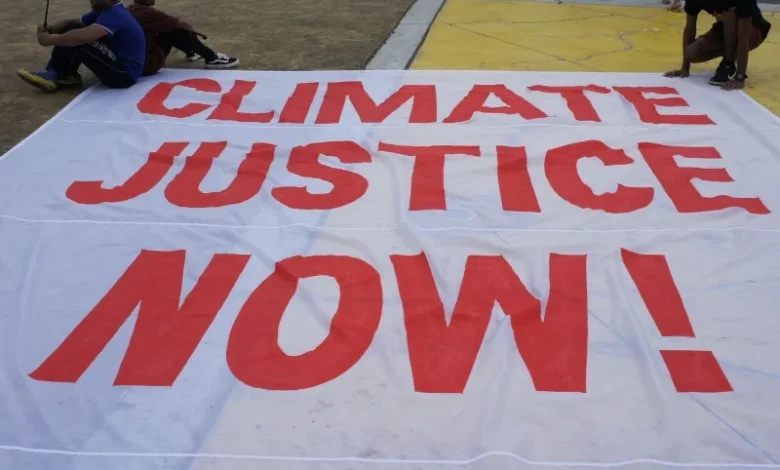
Different types of climate protests can take place, ranging from peaceful marches to civil disobedience. While supporters claim that climate protests create a sense of urgency, critics argue that protests have the effect of alienating the public. Studies show that this picture is more complicated.
What does research show?
Research shows that large, peaceful protests increase media coverage and public attention toward the issue. School strikes have contributed to the climate protests topic being mentioned during elections in some countries. Extreme modes of protest can polarize audiences and diminish support from middle of the road voters.
When are protests effective?
Research conducted by the Climate Change Communication centers shows that having clear objectives, a wide coalition of supporters and maintaining pressure are key factors for success. Establishing connections between local problems (i.e. air pollution, flooding, unemployment) and the global climate phenomenon can help build support for the protests.
What is the downside?
Protests are usually not enough to have the situation changed. They create the agenda which needs to be seized by politicians, voters and companies.
You May Like It
Climate Misinformation: How to Spot Fake Claims?
Learn how to recognise common disinformation techniques.
What Were 2025’s Worst Disasters?
Review the disasters that dominated headlines in 2025.
Hot Nights: How Rising Temperatures Are Stealing Sleep?
See the hidden health cost of warmer nights.
Winter Smog: Why Do Cities Choke?
Understand the chemistry of cold-weather air pollution.
Antarctic Tourism: How Many Visitors Is Too Many?
Explore the rising visitor numbers on the frozen continent.