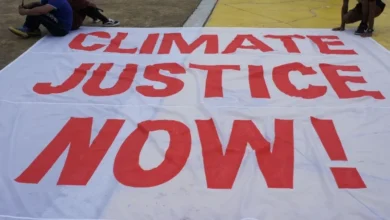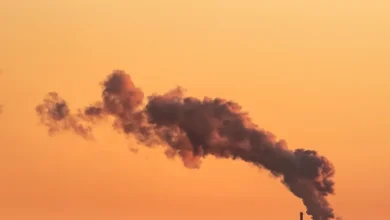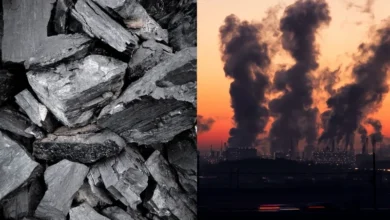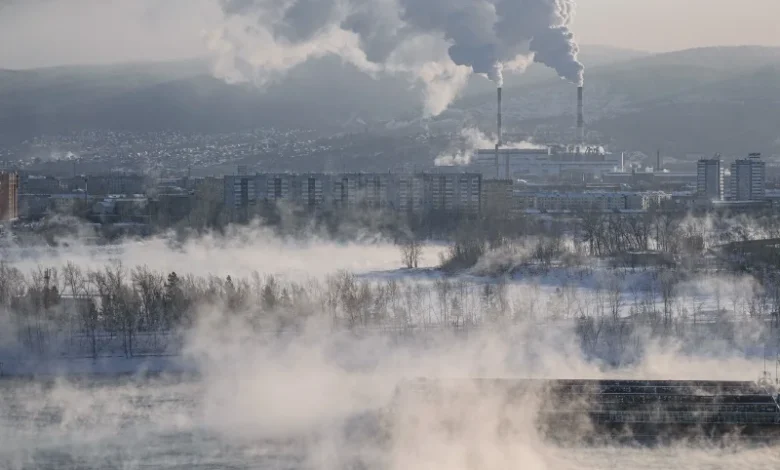
Winter smog is a thick mist that occurs in many cities as the temperature drops. Cold air prevents vehicle exhaust, heated emissions, and industrial fumes from escaping which results in the air being unhealthy for many people around the world.
What Makes Winter Smog Develop?
The development of pollution occurs through a phenomenon called a temperature inversion which happens when warm air rests over cold air preventing all pollutants from rising. The use of wood combustion, diesel burning and coal heating results in the release of minute particulates, PM2.5, that stay active for days, according to the European Environment Agency.
What Is Its Effect on People’s Health?
Particles go deep into the lungs and blood leading to problems related to asthma and heart issues. The World Health Organization reports that people exposed to winter smog for longer periods of time develop respiratory diseases more than anyone else, especially children and old people.
What Remedies Can Cities Imply?
Temporary traffic restrictions in the cities, cleaner heating systems and better public transport contribute to alleviating the problem. Citizens of the cities affected can stop spending time outdoors when alerts are sent out and use different devices when filtration systems are developed.
You May Like It
Can growing food indoors help?
Weigh the pros and cons of vertical farming.
Is food waste a climate issue?
See how food waste adds to climate change.
Will countries hit food goals?
Find out why most may miss 2030 targets.