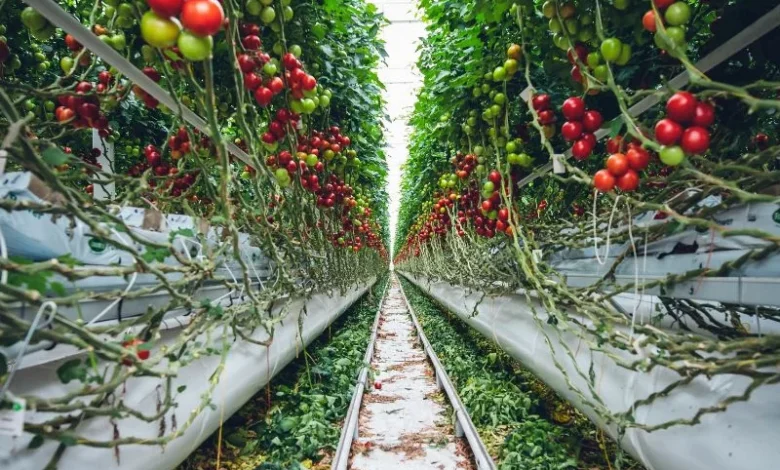
Vertical farms cultivate crops indoors using stacked layers, which consume comparatively less land and water than conventional farms. However, it has one disadvantage which is the high demand for electricity.
How It Works
Plants are cultivated in climate-controlled rooms with nutrient-rich water and artificial light. The water is reused so that only a small amount is wasted. The worldwide indoor farming industry had a value of $79.3 million in 2021.
Advantages
- Water: A vertical farm can reduce the use of water by 90 percent. Certain operators reported a 95-98 percent decrease in usage.
- Land: More food can be produced in a smaller area.
- Chemicals: Closed rooms help to reduce the need for pesticides.
Disadvantages: Energy
- Power-hungry: According to a 2021 report, on average vertical farms used 38.8 kWh of electricity for 1 kg of crop, while in greenhouses it was only 5.4 kWh.
- Costs: Along with labor costs, energy represents the largest part of expenses also.
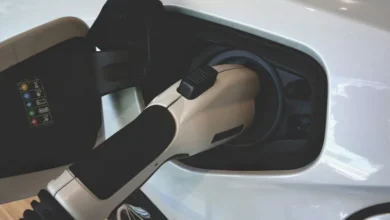
- Fossil fuels: Whenever fossil-fueled electricity is used, the advantages can be compromised.
- Progress: One US operator Bowery Farming claimed that its farms were fully powered with green energy. However, 64 percent of respondents in the 2019 survey admitted to not using any efficiency means.
Conclusion – vertical farming
Vertical farming can save water and land, especially in dry or crowded places, but it only helps the climate if it is powered by clean energy. It is best viewed as a complement to traditional farming, not a replacement.
Stay informed on nature’s biggest global events.
Is Food Security at Risk?
See how climate change threatens the food supply.
Will Countries Hit Food Goals?
Find out why most may miss 2030 targets.
How Do Communities Fight Drought?
Meet the volunteers in Hungary building their own dams.