Is Chennai Ready for Another Extreme Monsoon Season?
Chennai faces unpredictable monsoon rains in 2026. Learn why flooding risk remains high despite lower rainfall and ongoing infrastructure upgrades.

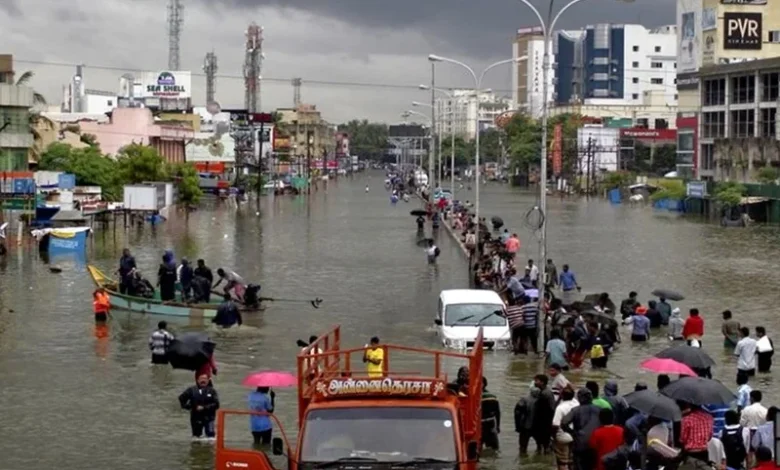
Chennai’s biggest concern isn’t necessarily rainfall – it’s how rainfall has changed over time. The city relies heavily on the northeast monsoon; however, the northeast monsoon will now be unpredictable by way of short, intense bursts of rain occurring sporadically rather than sporadic, long, and steady rain.
For example, studies have shown an increase in occurrences of extreme rainfall in Peninsular India that lead to flash flooding as opposed to gradual absorption of water into the ground.
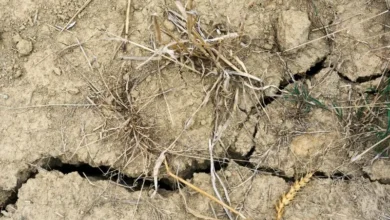
In addition to all of these factors combined, an increase in climate variability has also been noted (the forecast for 2026 has predicted the overall annual monsoon rains will be below normal). The amount of water that is expected to fall does not lower the risk of flooding.
This situation creates a paradox: while there will likely be fewer total annual rainfall events, local boards will experience flooding.
Infrastructure vs Reality: Is Chennai Prepared?
More recently, there have been efforts made to restore lakes, improve drainage systems, and increase the overall volume of water storage capacities. Reality on the ground, however, tells a different story. Many neighbourhoods, particularly areas with lower elevation like Velachery, are experiencing long-term flooding (i.e., no-to-little improvements to drainage systems) as a result of encroachments on canals, blocked canals, delayed maintenance, etc. Even when the city has implemented projects, gaps in implementation and incomplete systems limit the overall effectiveness of the projects for preventing flooding when there is extreme rainfall.
Stay Informed: More Stories You Shouldn’t Miss
1. How Delhi compares with Beijing pollution?
Explore how both mega cities tackle air pollution challenges.
2. Why heat affects decisions in Delhi?
Discover how rising temperatures impact daily thinking and choices.
3. Which curtains best cool Delhi homes?
Check the top curtain options to reduce indoor heat effectively.
4. How Delhi spends on environment improvements?
Explore the city’s strategies for pollution control and clean infrastructure.
5. Is Delhi facing early climate shift signs?
Discover what record March heat reveals about future climate trends.
The Core Problem: Lost Natural Defences
Historically, Chennai utilized a wide variety of natural features (wetlands, lakes, floodplains) to absorb extra rainwater. However, due to rapid urbanization (removal of wetlands, filling of natural drainage channels, and increasing hard surfaces), Chennai’s ability to function as a flood-resilient city has drastically decreased; therefore, even moderate rainfall can now result in very severe urban flooding. In short, Chennai’s greatest challenge is not just dealing with heavy rains; rather, it is the city’s changed geography.
Final Words
Chennai has begun preparing but is still a long way from being fully prepared. Chennai has moved from being a reactive flood management city to being moderately prepared against flooding; however, the continual worsening of both climate change and urbanization pressures is putting pressure on the city’s infrastructure to upgrade to meet the needs of its growing population faster than that infrastructure is able to be upgraded.
FAQs
1. Is Chennai likely to face flooding again?
Yes, especially during intense northeast monsoon spells with heavy rainfall.
2. Are authorities improving flood preparedness?
Yes, through drainage upgrades and lake restoration, but challenges remain.
3. Why does Chennai flood so easily?
Due to lost wetlands, poor drainage capacity, and unplanned urbanisation.
4. Does less monsoon rain mean less flooding?
No—short, intense rainfall can still cause severe flooding even with lower total rainfall.