
Heatwave Emergency: Can Delhi Survive Rising Night-Time Temperatures?
Delhi faces rising night temperatures, increasing heat stress and health risks. Can the city adapt to worsening heatwave conditions?

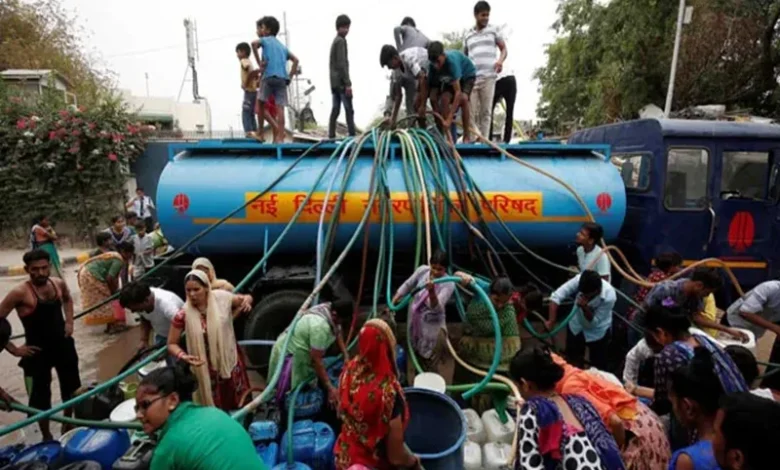
The heatwave problem in Delhi used to only involve hot afternoons; now it has expanded to include hot nights. There has been a marked increase in minimum temperatures in Delhi over the last ten years, and during the hottest part of summer, nights often remain above 30degrees Celsius.
Nights are when both our bodies and cities cool down, so when temperatures are high at sunset, there is a continuation of heat stress rather than a repeat cycle of heat stress. As a result, people suffer from cumulative fatigue due to lack of sleep and increased health risk during particularly prolonged periods of extremely hot weather.
Why Nights Are Getting Hotter
There are many variables contributing to this increase in minimum temperatures at night, including:
- Urban Heat Island Effect -Concrete and asphalt hold heat throughout the entire day, and at night, release it much more slowly.
- Reduced Green Cover -Fewer trees present, and therefore much less naturally occurring cooling.
- Increased Density of Urban Development -Creates barriers to wind flow, and therefore will hold warm air close to the ground.
- Climate Change -has increased the average temperature for the region.
In many parts of Delhi, the heat storage capacity of cities makes the chances of relief overnight extremely limited. This creates the feeling of continuous fatigue during times of extreme heat.
Can the City Cope?
The situation is serious. Nighttime temperatures are increasing and will have an impact on:
• Public Health (Risk of heat stroke and cardiovascular stress will increase.)
• Energy Demand – Increased use of air conditioning overnight creates a greater demand for electricity to supply that higher load.
• Productivity – Insufficient rest will adversely impact productivity during the day.
Delhi is addressing these issues; through Heat Action Plans and increasing public awareness regarding the issues. However, to implement long-term solutions to the issue of heat in the future, the city must redesign its urban environments, including developing more green space, utilizing lighter-coloured materials that reflect more solar heat, improving buildings with regards to ventilation, and developing climate-sensitive infrastructure.
Smarter Living Tips for Climate, Comfort & Sustainability!
Which LA Areas Are Climate Safe?
Discover the safest and riskiest zones in Los Angeles for climate impact.
How Much To Cool Sydney Home?
Explore the full cost breakdown of cooling a home in Sydney today.
Why Does Indoor Air Quality Matter?
Check how indoor plants improve air and boost healthier living spaces.
What Are Benefits Of Regenerative Farming?
Explore proven advantages and warnings about greenwashing in agriculture.
Which Curtains Keep Delhi Homes Cooler?
Discover the best curtains and shades to reduce heat in Delhi homes.
Final Words
Delhi can live with rising heat if it makes some changes. The biggest risk is not just how hot the days get during the day; it’s the lack of nighttime relief from that heat. If the nighttime temperatures in Delhi continue to increase, this city will need to make a shift from coping with heat issues to redesigning the city for heat issues.
FAQs
Q1. Hot Nights are More Dangerous than Hot Days
Because the body does not get sufficient time to recover, leading to increased heat stress and cumulative impacts from continued periods of above-normal temperatures.
Q2. Are Nighttime Temperatures in Delhi Rising?
Yes, there has been a substantial increase in minimum nighttime temperatures over the past several years.
Q3. What Causes Higher Nighttime Temperatures in Cities?
Urban Heat Island Effect, Less Green Space, Climate Change.
Q4. Can the Situation Be Improved?
Yes, through better urban design, creating green space, and Improved Cooling Methods.