
Flash Floods Across Southeast Asia Expose Growing Vulnerabilities in Coastal Infrastructure

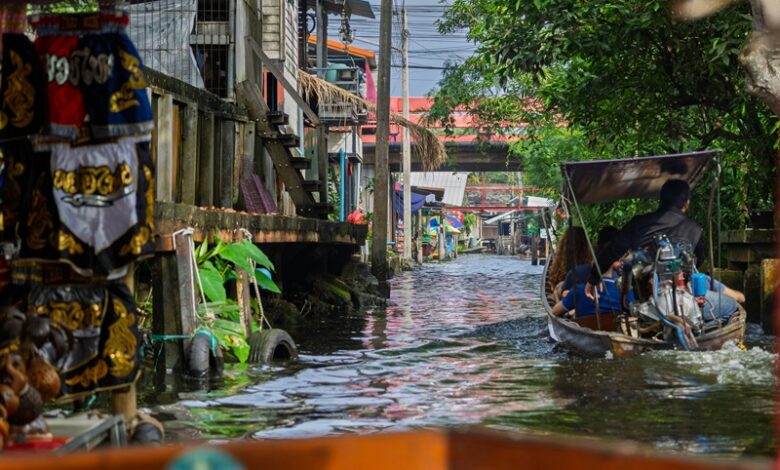
Recent flash floods in Southeast Asia have shown yet again how vulnerable the region’s coastal infrastructure is becoming. Torrential rains, overflowing rivers, and storm surges have interfered with transportation and destroyed homes, causing the displacement of thousands of people in some countries.
Although seasonal floods have been a common experience in Southeast Asia all along, according to climate scientists, the rising trend of extreme weather phenomena has never put the existing infrastructure under so much stress before.
The recent floods have brought climate resilience and urban planning into discussion once more.
Why Southeast Asia Is Highly Vulnerable to Flash Floods
The geographic location of Southeast Asia makes the region very prone to flooding. Many of the important cities and economic centers of Southeast Asian countries are situated near the coasts or river banks. During heavy rainfall, these places become vulnerable to flooding because the drainage system gets easily flooded.
The Southeast Asian countries, including Thailand, Vietnam, Indonesia, Malaysia, and the Philippines, receive rainfall every year during the monsoon season. But now, due to climate change, the impact of rainfall has become more devastating.
This is because, with the increasing population of urban areas, the flood plains get converted into roads and buildings.
How Climate Change Is Intensifying the Problem
Scientists have continually issued warnings that a warming climate makes it increasingly likely for floods to occur.
As oceans warm up, there is increased water vapor content in the air, which leads to increased rainfall in storms and monsoon seasons. On the other hand, global warming has also led to sea level rise, thus reducing the efficiency of drainage of coastal rivers into the sea, and causing floods.
With these factors at play, even a short spell of heavy rains may cause major floods in urbanized areas.
It is worth noting that although no individual flood can be solely blamed on climate change, the long-term warming process is contributing to their occurrence and intensity.
Coastal Infrastructure Under Pressure
The floods recently seen in the area have revealed many problems with important infrastructure.
Roads, bridges, drainage systems, ports, and transportation facilities have seen multiple disruptions. The floodwaters have penetrated the residential areas, hospitals, schools, and business premises in a number of cities along the coastline, revealing the need for flood-proof infrastructure.
Drainage systems were developed decades ago using historical weather data as a guide. With increasing rain intensity, these drainage systems are often unable to cope, leading to fast urban floods after only brief periods of rainfall.
It has been said that future infrastructure development should take into account new climate forecasts.
Economic Impact Beyond Immediate Damage
The impact of flash floods goes far beyond destruction of property and flooded roads.
Transportation delays affect the transport of goods, hindering manufacturing, exports, tourism, and other aspects of trade in Southeast Asia. Small enterprises frequently incur losses from lack of income, while rural populations experience crop failures and loss of livestock.
Recurring floods will increase the cost of insurance, adding extra burdens to governments that have to rebuild and provide aid after the disaster.
Economic resilience is now just as crucial as physical infrastructure resilience, as climatic disasters are becoming increasingly common.
Why Urban Planning Needs to Change
Flood management is becoming an essential part of urban planning. In addition to building high flood walls and big drainage pipes, many urban planning experts believe that nature-based solutions like rebuilding wetlands, making green spaces bigger, improving rainwater retention, and protecting mangrove swamps are necessary.
Natural solutions can absorb extra water, prevent erosion, and give extra protection against storm surges.
Some Southeast Asian cities have started implementing the integration of climate change adaptation into future urban planning strategies.
Disaster Preparedness Is Becoming Equally Important
Modern flood control goes beyond construction and engineering works. Governments have been allocating funds for advanced weather forecasting, flood monitoring technologies, communication equipment, and evacuation strategies in order to minimize casualties during natural catastrophes.
Advanced early warning systems, public education campaigns, and emergency response procedures are now vital parts of disaster readiness.
It is important to emphasize that proper preparation will help minimize the losses caused by flash floods despite the existing weaknesses in the infrastructure.
Regional Cooperation May Be Essential
Floods usually do not strike one country alone. The rivers and climate of an area, as well as its coastal regions, can transcend borders, necessitating more cooperation at a regional level.
Southeast Asian governments have increased their cooperation in research, disaster planning, and water management via regional bodies and science collaborations.
This may help prepare better for any future extreme weather conditions that might strike the region.
Explore More: Discover the Ideas and Innovations Shaping Tomorrow
Which Technologies Will Transform Industries Next?
Discover the breakthrough technologies that could reshape traditional industries and the future of work.
Why Are Wetlands So Important Globally?
Explore the world’s most important wetlands and learn why they are vital for nature and humanity.
Can Innovation Improve Renewable Energy Reliability?
Check out the latest innovations making renewable energy cleaner, smarter, and more dependable.
Which Countries Lead Green Living?
Discover the 2026 ranking of the world’s greenest countries and their sustainability achievements.
How Are Cities Fighting Climate Change?
Explore the cities investing in climate-resilient infrastructure to prepare for a changing future.
Conclusion
Flash floods in Southeast Asia are the most recent example of how climate resiliency has become one of the most critical development issues for the region.
In the face of increased frequency of such weather conditions, governments will have to build resilience by strengthening infrastructure, improving urban planning, putting warning systems in place, and incorporating climate adaptation measures into development plans.
The issue has moved from dealing with the effects of flooding to becoming prepared for it.
These floods in Southeast Asia are not merely examples of adverse weather conditions but warnings about the increasing necessity of climate resiliency.