Monsoon Heat Stress: Why Rising Temperatures Are Making India’s Rains Dangerously Humid

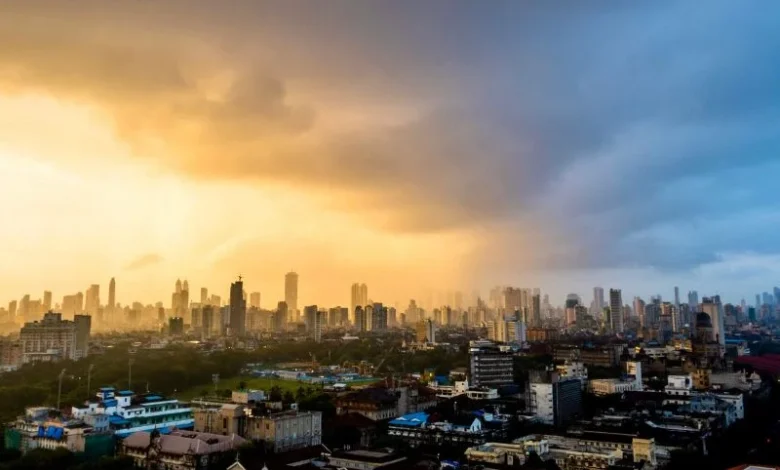
For decades, the monsoon meant relief after brutal summer heat in India. Monsoon Heat Stress, That is changing fast. New research shows that as rising temperatures push the planet warmer, the wet, sticky air of the rainy season is turning into a serious health hazard, especially for people who work outdoors.
Why the Monsoon Is No Longer a Break From Heat
Heat during the monsoon feels different from dry summer heat. Even at lower temperatures, high moisture in the air stops sweat from evaporating, so the body cannot cool itself. Scientists call this uncompensable heat stress. A farmer working in a paddy field at 35°C during a humid monsoon morning can face more physical strain than someone standing in 40°C dry heat in May.
How Warming Is Changing the Risk Map
Coastal regions already face this danger through both summer and the monsoon season. As the planet warms further, the danger zone is expected to widen into new areas, including parts of northern India during dry spells between monsoon showers, when soil moisture keeps humidity high even under clear skies.
Who Faces the Greatest Risk
- Farmers and fisherfolk working long hours outdoors
- Construction and daily-wage labourers
- Elderly people and pregnant women
- Children, who are more sensitive to heat stress
- Street vendors and delivery workers with little shade or rest
The Gap in Public Health Planning
Most heat warning systems, in India and elsewhere, were built to track dry summer heatwaves. They rarely account for humid heat during the rainy months, which means people often get no warning before conditions turn dangerous. Health experts say local clinics, community health workers and city authorities need updated alerts that factor in both temperature and humidity, not temperature alone.
Simple Steps Communities Can Take
- Shift outdoor work to early morning or early evening hours.
- Keep drinking water available, since dehydration worsens quickly in humid heat.
- Watch for early signs of heat stress: dizziness, cramps, nausea and confusion
- Rest indoors with fans or shade during the most humid midday hours.
- Check on elderly neighbours and young children during hot, wet spells.
A Global Warning Sign
India’s monsoon is a clear example of how climate change is reshaping risks that were once considered predictable. As similar humid climates in Southeast Asia, West Africa and Latin America warm further, planners everywhere may need to rethink what counts as a safe season.
The message is simple: humid heat during rainy seasons is becoming as dangerous as dry summer heat, and communities cannot wait for policy to catch up before protecting themselves.
More stories on extreme weather.
Why Is Bangladesh Facing Flood Risks?
Find the latest climate insights.
What’s Driving India’s Weather Split?
Check out the extreme weather patterns.
Is Sonamarg Travel Safe Today?
Get to know the latest advisory.
How Severe Are China’s Floods?
Browse the latest emergency updates.
Why Is Northeast India Flooding?
Uncover the unusual jet stream effects.