Climate Change Impact on Bangladesh: Flood Risk
Climate Change Bangladesh increases flood risks through rising seas, heavier rainfall and stronger cyclones, threatening communities, farms and infrastructure.

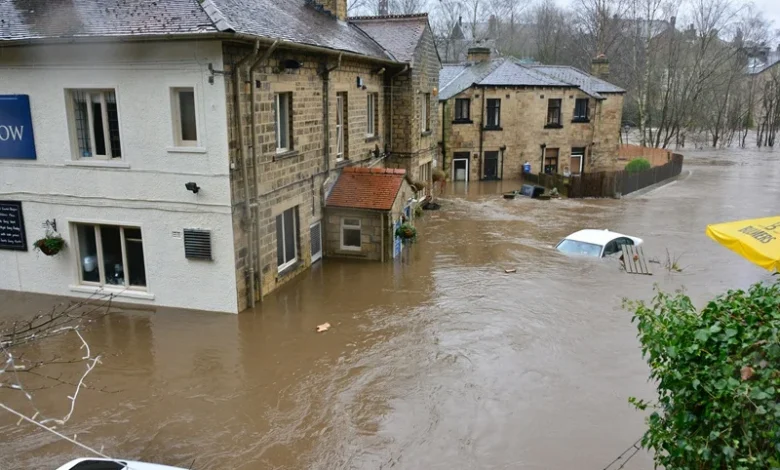
Bangladesh is one of the countries most vulnerable to climate change. Its low-lying geography, large river network, and long coastline make it highly susceptible to flooding. Rising sea levels, heavier rainfall, and stronger cyclones are increasing the frequency and severity of floods, affecting millions of people each year.
Why Is Bangladesh at High Risk of Flooding?
Several factors contribute to Bangladesh’s flood risk:
- Low-lying land near sea level
- Major rivers such as the Ganges, Brahmaputra, and Meghna
- Heavy monsoon rainfall
- Tropical cyclones from the Bay of Bengal
- Rising sea levels caused by climate change
These conditions make both river floods and coastal flooding more likely.
How Is Climate Change Increasing Flood Risk?
1. Rising Sea Levels
Sea levels are gradually rising, increasing the risk of coastal flooding and saltwater entering farmland and freshwater supplies.
2. Heavier Rainfall
Climate change is contributing to more intense rainfall during the monsoon season, leading to flash floods and overflowing rivers.
3. Stronger Cyclones
Warmer ocean temperatures can increase the intensity of tropical cyclones, bringing heavy rain, strong winds, and storm surges.
4. River Flooding
Bangladesh’s major rivers carry water from neighboring countries. Heavy rainfall upstream can cause rivers to overflow, flooding large areas.
5. Loss of Agricultural Land
Frequent floods damage crops, reduce food production, and affect the livelihoods of farming communities.
More Climate Updates
Why Are Monsoons Changing Faster?
Check out how climate change affects seasonal rainfall.
Why Is Karachi At Risk?
Find why climate impacts are growing across the city.
How Do Scientists Trace Disasters?
Uncover how attribution science links extreme weather.
Why Is Nairobi Flood Risk Rising?
See how changing rainfall patterns increase flooding.
How Much Rain Will Mumbai Get?
Browse the latest IMD rainfall forecast and expectations.
Conclusion
Climate change is increasing the flood risk across Bangladesh through rising sea levels, heavier rainfall, and stronger storms. While the country has made significant progress in disaster preparedness and climate adaptation, continued investment in resilient infrastructure and early warning systems will be essential to protect communities from future floods.
FAQs
Why is Bangladesh so vulnerable to flooding?
Its low elevation, extensive river system, heavy monsoon rains, and coastal location make it highly prone to floods.
How does climate change affect flooding?
Climate change contributes to rising sea levels, heavier rainfall, and stronger cyclones, all of which increase flood risk.
Which areas are most at risk?
Coastal regions, river floodplains, and low-lying communities face the greatest flood risk.
How does flooding affect agriculture?
Floods can destroy crops, damage farmland, and reduce food production.