India’s ‘Blue Mountains’ Are Losing Their Shield: What’s Threatening the Nilgiris

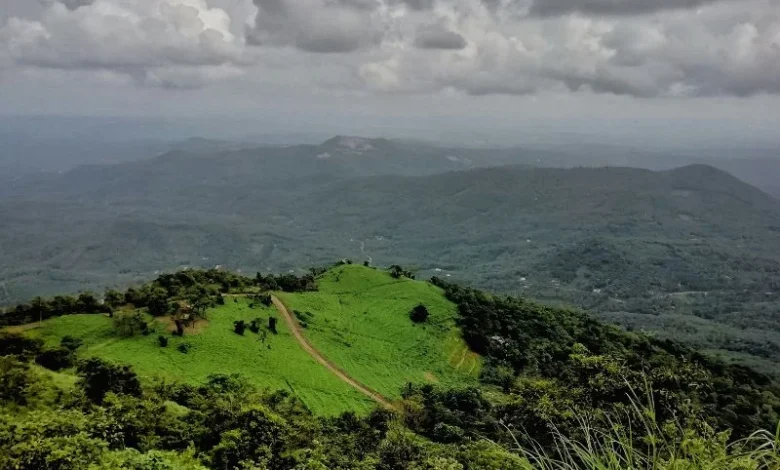
The Nilgiris, often called India’s Blue Mountains, lie at the tri-junction of Tamil Nadu, Kerala and Karnataka. Nilgiris biosphere threat, This tri-state stretch of the Western Ghats was declared India’s first biosphere reserve as long ago as 1986 and remains one of the richest patches of biodiversity in the country. But this quiet mountain range is now under real pressure, and the pressure is coming from more than one direction at once.
Why the Nilgiris are So Important
The reserve covers an area of over 5,500 square kilometres and includes five national parks and several wildlife sanctuaries. It is home to elephants, tigers, the lion-tailed macaque and the Nilgiri tahr, a wild mountain goat found only here on earth. The tahr is also the state animal of Tamil Nadu, which gives you an idea of how closely this landscape is linked to local identity, not just conservation charts.
The climate threat transforming the hills
Research into the area has shown that the increasing temperatures are forcing the tahr’s grassland habitat higher up the slopes, reducing the space in which it can survive. Some models suggest that large parts of the current range of the animal in protected areas could become unsuitable within a few decades under stronger warming scenarios. This is not a far off threat. The shady, cool patches of Shola forests and grasslands that many native species depend on are changing with rising temperatures and the animals that depend on them cannot always change fast enough to keep up.
The Burden of Tourism and Traffic
Days before World Environment Day 2026, conservationists in Ooty flagged a less obvious issue – tourism traffic. The rise in carbon footprint and the damage to roads in the ecologically sensitive regions have been attributed to the influx of motorists into the hills. Earlier, the Madras High Court had noted that the unchecked number of vehicles were impacting the wildlife and the lives of residents and had capped the vehicle entry during the summer season of 2025. Early returns on that cap are said to be encouraging, though the pressure hasn’t let up.
Other Threats Acting in Concert With Climate Change
• Highways through wildlife corridors, resulting in roadkill and preventing movement of animals.
• Invasive plant species like Lantana choking out native vegetation.
• Tea & coffee and spice plantations are reducing the extent of contiguous forest cover.
• Human-wildlife conflict, particularly crop raiding by elephants at the forest edges.
What can really help
Supporting low-carbon tourism models with limited entry rather than mass visitor traffic.
Supporting habitat corridors that facilitate animal movement between fragmented forest patches.
It supports the livelihoods of local people, such as forest based cooperatives, providing communities an incentive to protect land, rather than clear it.
When visiting, follow official advice on vehicle caps and rules for protected zones.
A Landscape to Protect – Nilgiris biosphere threat
The Nilgiris is not just a pretty hill station to run away to for the weekend. They are a living system that controls water, shelters rare species and sustains the people who live in and around it. What is happening in this region today is a taste of what many mountain ecosystems around the world are going to experience as the climate keeps changing. We must rethink the way we travel, build and farm around the Nilgiris, now and not after the damage is done.
Stay prepared with the latest weather insights.
Why Does Heat Slow Wi-Fi?
Check out how hot weather can affect your internet connection.
Which Climate Trends Matter Most?
Find the biggest weather changes shaping our planet today.
Which Cities Feel Hottest Today?
Uncover where temperatures feel higher than official forecasts.
What Do Weather Alerts Mean?
See how warning colors help you stay safe during severe weather.
How Can You Handle Weather?
Browse practical tips for staying safe through heatwaves and monsoons.