How to Keep Food Fresh Longer: 12 Food Waste Hacks That Save $100/Month
Learn how to keep food fresh longer with 12 simple food waste hacks. Reduce spoilage, save up to $100 monthly, and make groceries last longer every week.

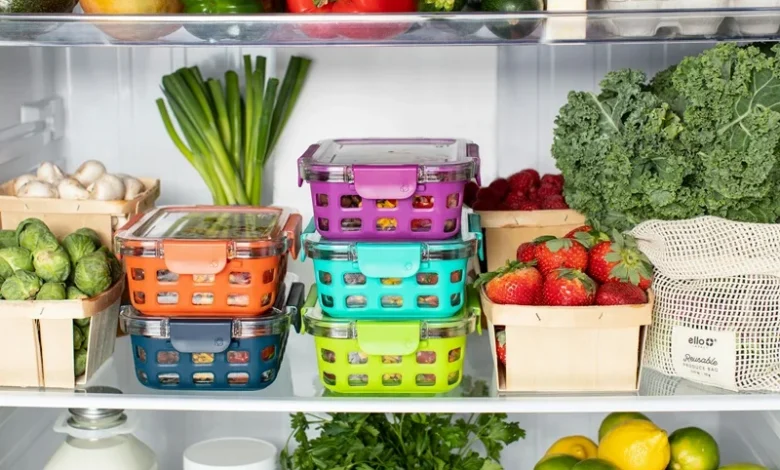
Food waste is one of the biggest reasons households spend more on groceries than necessary. By storing food properly and planning meals wisely, you can keep ingredients fresh for longer and reduce unnecessary shopping. Here are 12 simple hacks that can help cut food waste and potentially save around $100 a month, depending on your household size and shopping habits.
1. Store Fruits and Vegetables Separately
Some fruits, like bananas and apples, release ethylene gas, which speeds up the ripening of nearby vegetables.
2. Keep Herbs in Water
Place herbs such as coriander or parsley in a glass of water and refrigerate them to extend freshness.
3. Use Airtight Containers
Store leftovers, grains, and snacks in airtight containers to keep out moisture and pests.
4. Refrigerate Dairy Properly
Keep milk, cheese, and yogurt on the middle shelves of the refrigerator instead of the door, where temperatures fluctuate more.
5. Freeze Extra Food
Freeze cooked meals, bread, meat, and vegetables if you won’t use them within a few days.
6. Label Food with Dates
Write the storage date on containers so you know what should be eaten first.
7. Follow the “First In, First Out” Rule
Use older food items before opening newly purchased ones.
8. Don’t Overfill the Refrigerator
Leave space for air to circulate, helping food stay cooler and fresher.
9. Store Potatoes and Onions Separately
Keeping them apart helps prevent both from spoiling too quickly.
10. Plan Your Weekly Meals
Shopping with a meal plan reduces impulse purchases and food waste.
11. Revive Wilted Vegetables
Soak wilted leafy vegetables in cold water for a few minutes to restore their crispness.
12. Check Your Fridge Weekly
Regularly inspect your refrigerator and use foods nearing their expiry date before they spoil.
Explore smarter ideas shaping a greener future.
Are Green Cities Fair To Everyone?
Uncover how eco-projects affect local communities and neighborhoods.
Is Tokyo’s Green Transport Working?
Check out whether EV policies are delivering real-world results.
Could Solar Trees Change Energy?
Discover how solar trees generate cleaner power in urban spaces.
Which Countries Lead Green Jobs?
Browse the top destinations driving sustainable career opportunities.
Where Are Top E-Waste Eco Parks?
Find the world’s leading eco parks tackling electronic waste.
Conclusion
Reducing food waste doesn’t require expensive gadgets or major lifestyle changes. Simple habits like proper storage, meal planning, freezing leftovers, and organizing your refrigerator can keep food fresh for longer, reduce waste, and help lower your monthly grocery bill.
FAQs
Q: Why does food spoil quickly?
A: Heat, moisture, air exposure, and improper storage can speed up spoilage.
Q: Can freezing food reduce waste?
A: Yes. Freezing helps preserve many foods for weeks or even months.
Q: Should all fruits be refrigerated?
A: No. Some fruits, such as bananas, mangoes, and whole tomatoes, are best stored at room temperature until ripe.
Q: How can I reduce grocery spending?
A: Plan meals, buy only what you need, store food properly, and use older items first.