Why Are Wooden Skyscrapers Becoming Popular? And Are They Safe?
Discover why wooden skyscrapers are gaining popularity, how mass timber improves sustainability, and why these tall buildings are safe for modern cities.

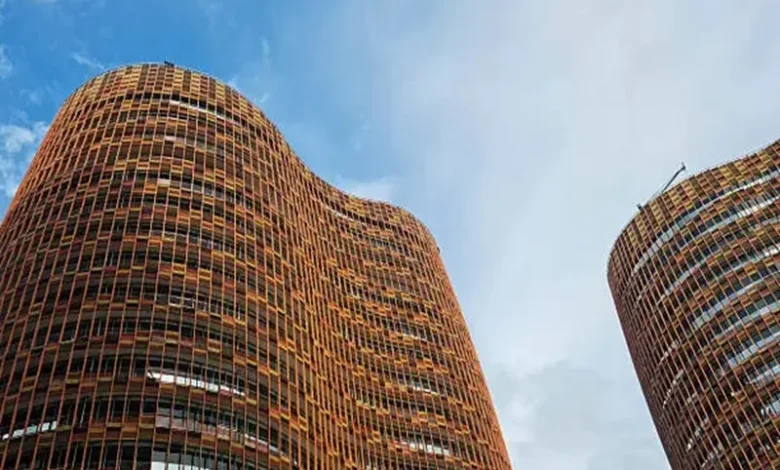
For decades, skyscrapers have been built mainly with steel and concrete. Today, however, architects and engineers are increasingly using mass timber to construct tall buildings. Advances in engineered wood technology have made wooden skyscrapers stronger, more sustainable, and suitable for modern construction. While the idea may seem surprising, these buildings are designed to meet strict safety standards.
Why Are Wooden Skyscrapers Becoming Popular?
1. Lower Carbon Emissions
Producing timber generally creates fewer carbon emissions than manufacturing steel or concrete. Wood also stores carbon absorbed by trees during their growth, helping reduce a building’s environmental impact.
2. Faster Construction
Mass timber components are manufactured in factories and assembled on-site, reducing construction time and labor costs.
3. Lighter Weight
Wood is much lighter than concrete, which means buildings place less pressure on foundations and may be easier to construct on certain sites.
4. Renewable Material
When sourced from sustainably managed forests, timber is a renewable building material that can be replenished over time.
5. Better Energy Efficiency
Wood naturally provides good insulation, helping buildings stay warmer in winter and cooler in summer, which can reduce energy consumption.
Are Wooden Skyscrapers Safe?
Yes. Modern wooden skyscrapers use engineered wood products such as cross-laminated timber (CLT) and glulam, which are designed for high strength and durability.
They are built to meet strict safety requirements, including:
- Fire-resistant design
- Earthquake resistance
- Strong structural performance
- Wind resistance
- Moisture protection
Large timber beams char slowly during a fire, creating a protective outer layer that helps preserve the building’s structural strength for a longer period.
Challenges
Despite their benefits, wooden skyscrapers still face some challenges:
- Higher material costs in some regions
- Limited availability of engineered timber
- Strict building regulations
- Protection against long-term moisture exposure
Explore smarter ideas shaping a greener future.
Are Green Cities Fair To Everyone?
Uncover how eco-projects affect local communities and neighborhoods.
Is Tokyo’s Green Transport Working?
Check out whether EV policies are delivering real-world results.
Could Solar Trees Change Energy?
Discover how solar trees generate cleaner power in urban spaces.
Which Countries Lead Green Jobs?
Browse the top destinations driving sustainable career opportunities.
Where Are Top E-Waste Eco Parks?
Find the world’s leading eco parks tackling electronic waste.
Conclusion
Wooden skyscrapers are becoming more popular because they offer a sustainable alternative to traditional construction materials while reducing carbon emissions and speeding up construction. Thanks to modern engineering and strict safety standards, these buildings can be just as safe and durable as conventional high-rise structures, making them an important part of the future of sustainable urban development.
FAQs
Q: What is a wooden skyscraper made of?
A: Most are built using engineered wood products such as cross-laminated timber (CLT) and glulam.
Q: Are wooden skyscrapers safe during fires?
A: Yes. They are designed to meet strict fire safety standards, and large timber sections char slowly, helping maintain structural integrity.
Q: Why are cities building wooden skyscrapers?
A: To reduce carbon emissions, improve sustainability, and speed up construction.
Q: Can wooden skyscrapers withstand earthquakes?
A: Yes. Engineered timber is lightweight and flexible, making it well-suited for earthquake-resistant construction.
Q: Which countries are leading in wooden skyscraper construction?
A: Countries such as Canada, Norway, Sweden, Japan, and the United States are among the leaders in developing tall timber buildings.