What Is a Smart Roof? Cost vs. Energy Savings Explained
Discover how a Smart Roof lowers energy costs, improves insulation, reduces heat, and delivers long-term savings for efficient, comfortable homes.

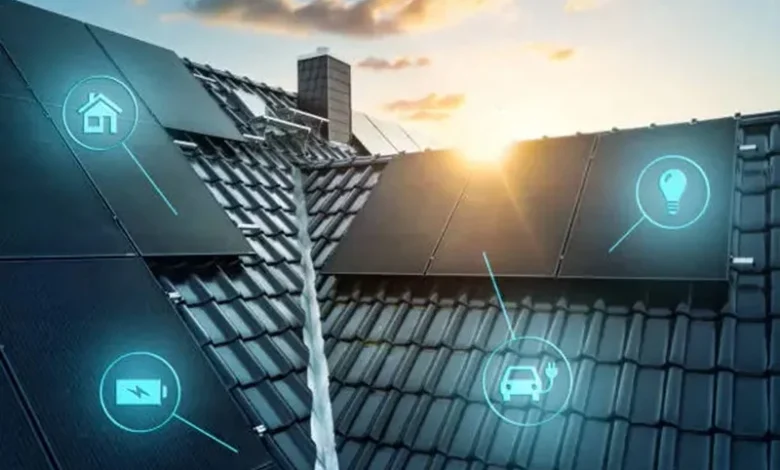
As electricity costs rise and summers become hotter, many homeowners are looking for ways to make their homes more energy-efficient. One solution gaining popularity is the smart roof. Unlike a traditional roof, a smart roof is designed to reduce heat absorption, improve insulation, and sometimes even generate electricity through solar panels.
Here’s how it works and whether it’s worth the investment.
What Is a Smart Roof?
A smart roof combines advanced materials and technology to improve a building’s energy performance. Depending on the design, it may include:
- Reflective or “cool roof” coatings
- High-quality insulation
- Solar panels
- Ventilation systems
- Rainwater harvesting features
- Smart sensors to monitor temperature and energy use
The goal is to keep the building cooler in summer, reduce energy consumption, and improve overall efficiency.
How Much Does It Cost?
The cost depends on the features included.
- Reflective roof coating: ₹20–₹80 per sq. ft.
- Improved roof insulation: ₹50–₹200 per sq. ft.
- Rooftop solar system: ₹60,000–₹2.5 lakh or more, depending on capacity.
- Smart monitoring systems: Additional cost based on the technology installed.
Although the initial investment is higher than a conventional roof, long-term savings can offset much of the expense.
How Much Can You Save?
A well-designed smart roof can:
- Lower indoor temperatures by 2–5°C during summer.
- Reduce air conditioner use.
- Cut cooling-related electricity bills by 10% to 30%, depending on the building, climate, and roof design.
- Increase the lifespan of roofing materials by reducing heat stress.
If solar panels are included, homeowners can save even more by generating their own electricity.
Simple ideas for cooler, greener living.
Which Plants Beat Summer Heat Best?
Find seven heat-tolerant plants for your balcony garden.
Can A Living Wall Cool?
Check out an easy weekend project for a cooler balcony.
How Is Amsterdam Growing Sustainably?
Explore the city’s smart approach to future urban development.
Why Does Singapore Lead Sustainability?
Uncover the innovations making Singapore a green city leader.
Which Indian Cities Face Heatwaves?
See the cities most exposed to extreme summer temperatures.
Conclusion
A smart roof is more than just a roof—it’s an energy-saving system that helps keep homes cooler and lowers electricity consumption. While installation costs are higher than traditional roofing, the long-term savings, improved comfort, and potential increase in property value make it a worthwhile investment for many homeowners.
FAQs
What is the main purpose of a smart roof?
To reduce heat absorption, improve energy efficiency, and lower cooling costs.
Can a smart roof reduce electricity bills?
Yes. Depending on the design, it can reduce cooling-related electricity costs by 10% to 30%.
Does a smart roof always include solar panels?
No. Some smart roofs focus on reflective coatings and insulation, while others also include rooftop solar systems.
Is a smart roof suitable for existing homes?
Yes. Many features, such as reflective coatings, insulation, and solar panels, can be added during renovations.