
How to Switch Your Home to Rooftop Solar in 2026 India: Cost Breakdown, Savings, and Setup Guide

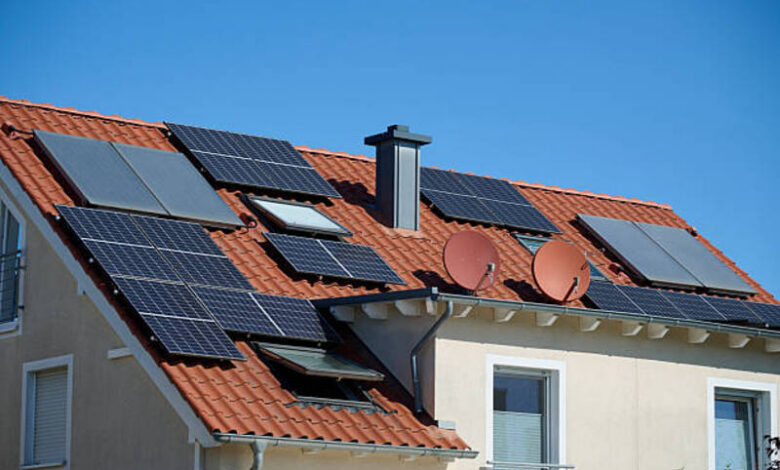
With rising electricity prices and improved government incentives, rooftop solar has become an attractive option for homeowners in India. Under the PM Surya Ghar Muft Bijli Yojana, eligible residential consumers can receive a central subsidy of up to ₹78,000, making solar installations more affordable.
Step 1: Check Your Electricity Usage
Before choosing a solar system, review your monthly electricity bill.
- Up to 150 units/month: 1–2 kW system
- 150–300 units/month: 2–3 kW system
- Above 300 units/month: 3–5 kW or larger system
Selecting the right size helps maximize savings.
Step 2: Understand the Cost
Typical installation costs before subsidy are:
- 1 kW: ₹55,000–₹90,000
- 2 kW: ₹1.1 lakh–₹1.6 lakh
- 3 kW: ₹1.6 lakh–₹2.2 lakh
Eligible homeowners can receive government subsidies, reducing the overall upfront cost.
Step 3: Install Through an Approved Vendor
Choose an empanelled vendor approved by your local DISCOM. A typical rooftop solar system includes:
- Solar panels
- Inverter
- Mounting structure
- Wiring and safety equipment
- Net meter
Step 4: Apply for Net Metering
Net metering allows excess electricity generated during the day to be exported to the grid, helping reduce future electricity bills.
How Much Can You Save?
A properly sized rooftop solar system can reduce electricity bills by 50% to 90%, depending on your energy consumption and system size. Most residential systems recover their installation cost within 3 to 6 years, while solar panels typically last 25 years or more.
Conclusion
Rooftop solar is becoming one of the smartest long-term investments for Indian homeowners. With lower installation costs, government subsidies, and substantial savings on electricity bills, switching to solar in 2026 is more affordable than ever. Choosing the correct system size and an approved installer can help you maximize both savings and performance.
FAQs
How much does a rooftop solar system cost in India?
Depending on capacity, residential systems typically cost between ₹55,000 and ₹2.2 lakh before subsidies.
What is the maximum subsidy available?
Eligible households can receive a central subsidy of up to ₹78,000 under the PM Surya Ghar Muft Bijli Yojana.
How long do solar panels last?
Most quality panels have a lifespan of 25 years or more.
What is net metering?
It allows homeowners to export surplus electricity to the grid and receive bill credits.
How soon can I recover my investment?
Most homeowners recover the cost within 3–6 years, depending on electricity usage and local tariffs.