For most of its history, Pennsylvania has not had to think about wildfire smoke. Coal dust and factory pollution, yes. But smoke drifting hundreds of miles from burning forests is a newer worry, and in the summer of 2026 it has become one of the state’s most talked-about climate hazards.
Why Pennsylvania Is Suddenly Affected
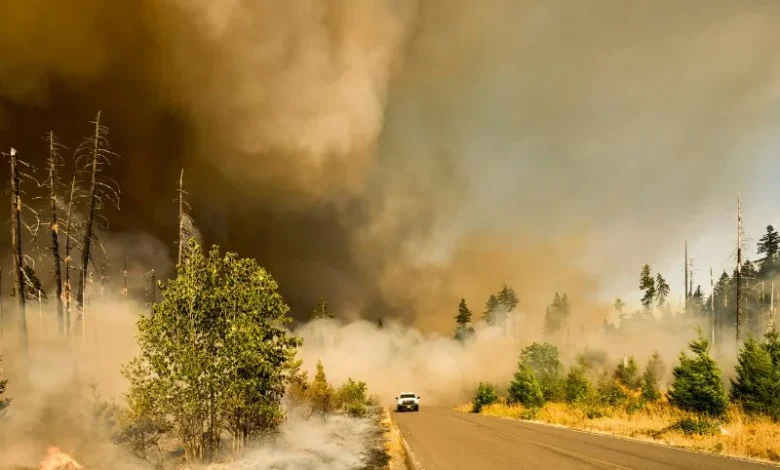
Pennsylvania has no major wildfires burning within its own borders. The smoke that has choked its skies this year, and repeatedly in 2023, is imported. Fires burning in Ontario and Minnesota send fine particulate matter drifting southeast on prevailing winds, settling over cities from Pittsburgh to Philadelphia. As the atmosphere warms, it draws more moisture out of soil and vegetation further north, leaving forests drier and more prone to burning. That means more smoke, more often, even in states that have never had a wildfire problem of their own.
What “Code Red” and “Code Purple” Actually Mean
The Pennsylvania Department of Environmental Protection uses a colour-coded air quality system. Green and yellow mean the air is safe. Orange means sensitive groups, children, older adults, and people with asthma should limit time outside. Red means the air is unhealthy for everyone. Purple and maroon, both used this year in parts of the state, signal very unhealthy to hazardous conditions. On these days, health officials advise everyone to stay indoors as much as possible.
A New Kind of Health Risk
Doctors have noted rising complaints of breathing trouble, eye irritation, and asthma flare-ups on smoky days. Fine particulate matter is small enough to penetrate deep into the lungs and bloodstream, so people with heart or respiratory conditions face heightened risk. What makes this hazard tricky is that it is invisible on a calendar. There is no hurricane season to prepare for. Smoke can arrive with only a day or two of warning.
Steps Residents Can Take
- Check the DEP’s air quality alerts or EPA’s AirNow before planning outdoor activity.
- Keep windows closed and run air conditioning or an air purifier on smoky days.
- Avoid outdoor exercise, mowing, or burning when an alert is active.
- Keep asthma inhalers and medication accessible during alert periods.
- Check on elderly neighbours or family members who may not follow news alerts.
- Wear a well-fitted N95 mask if you must go outside during hazardous conditions.
A Political Blind Spot
Some state lawmakers say the connection between smoke and a warming climate still isn’t widely discussed in Harrisburg, even as residents experience it firsthand. That gap between lived experience and policy conversation may be part of what keeps Pennsylvania underprepared for a hazard that now returns nearly every summer.
Conclusion – Wildfire Smoke
Pennsylvania’s clean air laws once made industrial smog a thing of the past, but wildfire smoke has opened a new and unfamiliar chapter. Until adaptation catches up, checking daily air quality alerts and having a home plan for smoky days is the simplest way for families to protect their health right now.
More ocean stories to explore.
How Are Coral Reefs Being Saved?
Discover how innovative conservation efforts are protecting reefs.
Why Does Coral Bleaching Spread?
Find what causes bleaching and supports reef recovery.
Why Are Global Reefs Collapsing?
Uncover how climate change is damaging coral ecosystems.
How Severe Is Coral Bleaching?
See why bleaching now affects most coral ecosystems.
Why Are Reefs Facing Extreme Heat?
Look into the growing impact of ocean warming on reefs.