Sand Mining: The Overlooked Resource Crisis Fueling Construction Booms Worldwide

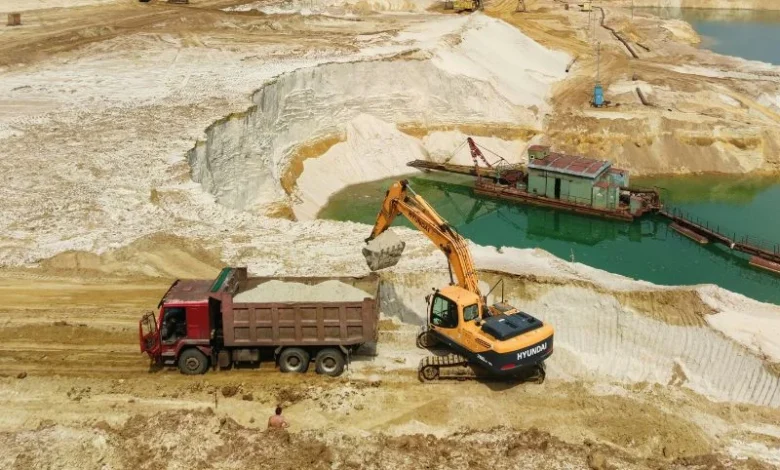
Every city skyline, every new highway, every poured concrete floor depends on one humble material most people don’t even think about: sand mining. But the world’s biggest industry for global construction is stripping rivers, coastlines and lakebeds faster than nature can replace them, turning an everyday resource into an environmental flashpoint.
Why This Crisis Can’t Be Fixed With Regular Sand
It sounds odd to say the world is running out of sand when there’s so much of it in deserts. But the sand grains in the desert are smoothed by wind so that they slide over each other instead of locking together. Concrete requires coarse, jagged grains, like you would find in riverbeds, lakes and shorelines. This tightness of supply is what makes this a genuine resource crisis and not a problem of running out of beaches.
The Construction Boom’s Hunger for Sand Is Enormous
It is difficult to imagine the numbers. Globally, we use some 50 billion tons of sand and gravel every year—more than any other material apart from water. That’s enough to build a wall 27 meters high and 27 meters wide around the entire world every year. Demand for concrete, glass and asphalt continues to climb as more than two-thirds of the world’s population is expected to live in cities by 2050.
The Hidden Cost to Coastlines and Rivers
Illegal dredging is also causing riverbanks to collapse, fish breeding grounds to be destroyed and water tables that farming communities depend on to fall. Removing beach sand along coasts undermines the natural barrier that protects towns from storm surges and rising seas, the very protection that climate change is making more necessary, not less.
Where the crisis is now visible
India’s infrastructure projects have been hit by clampdowns on illegal riverbed mining.
Singapore wants to build on land it does not have, but its neighbors restrict exports of the sand it needs.
Morocco and Indonesia are losing beaches to erosion because of unregulated extraction.
Even rich cities like Dubai rely on imported sand, as the sand in the local desert is useless.
What Can Really Slow This Down
• Governments that regulate quarry production through permits and tracking rather than self-reporting.
• Where possible, builders specify recycled concrete and crushed rock aggregate.
• Investing in construction waste recycling is not new extraction.
• Local environmental authorities were told of illegal dredging by communities and journalists.
• Buyers ask suppliers where their sand really comes from.
Conclusion – sand mining
Sand feels infinite because it’s everywhere, but the kind that makes our world is limited, unevenly spread and poorly controlled. Slowing the damage doesn’t mean halting construction, but smarter sourcing, stronger enforcement and wider use of recycled materials. The next building you see was most likely built on a river that no longer looks the same.
More stories shaping our future.
Why Is Deep-Sea Mining Controversial?
Check out the growing global protests.
Which Technologies Could Change Everything?
Discover tomorrow’s biggest innovations.
Which Cities Face Extreme Heat?
Browse the world’s hottest hotspots.
Which Food Has Lower Emissions?
Find the greener meal choice.
How Is Manufacturing Evolving Fast?
Explore the technologies driving change.