The Fight Over Lithium Mining in Ecologically Sensitive Zones
Lithium Mining in ecologically sensitive zones raises concerns over water use, biodiversity loss and community rights as global demand continues rising.

Every electric car, laptop and phone battery needs lithium mining somewhere in its supply chain. But much of the world’s lithium sits under deserts, wetlands and farming valleys that are already fragile. This has turned the search for “green” battery metal into one of the most heated resource fights on the planet, playing out in ecologically sensitive zones from South America to Eastern Europe.
Why Lithium Mining Keeps Landing in Fragile Places
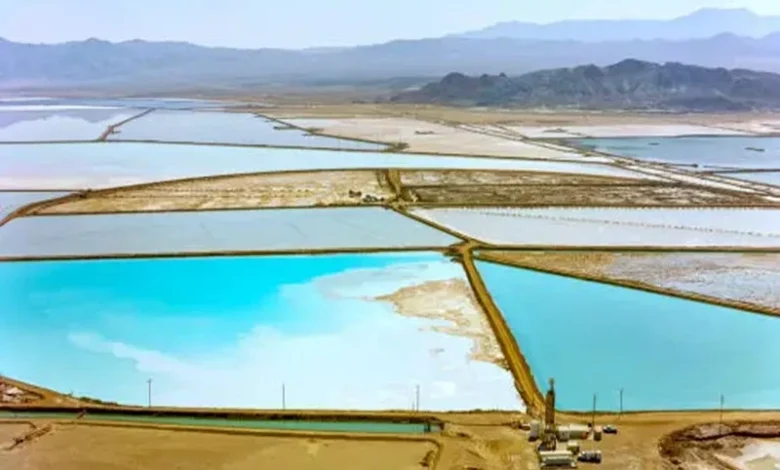
Lithium is usually found in two places: salt flats in dry, high-altitude basins or hard rock deposits in mineral-rich valleys. Both happen to overlap with ecosystems that recover slowly from disturbance.In the so-called Lithium Triangle of Argentina, Chile and Bolivia, which holds about half of the world’s known lithium reserves, companies pump lithium-rich brine into giant evaporation ponds under the desert sun.
This water-intensive process has compromised vital resources in an extremely arid zone that is especially exposed to climate change, and it has caused the gradual disappearance of wetlands that communities depend on for farming and daily life.
The Global Regulation Fight
This is not only a South American story. In Serbia’s Jadar valley, mining giant Rio Tinto spent two decades trying to develop one of Europe’s largest lithium deposits. Activists point out that the mine’s footprint would affect 17 villages, with several located near the planned waste site, home to close to 19,500 people. Years of street protests followed, and by late 2025, Rio Tinto indefinitely suspended the project as part of wider cost-cutting after years of delayed permitting and community opposition. Even so, the project is not dead. Industry observers note the pause looks more like a long-term holding pattern than a cancellation, with Rio Tinto keeping its legal and operational footprint in the country.
What This Means for Local Communities
The pattern repeats across mining regions: fast-tracked permits, thin consultation with residents, and environmental reviews that struggle to keep pace with demand. Farmers, herders and Indigenous groups often carry the cost while battery makers thousands of miles away get the benefit.
A simple checklist for communities and policymakers watching a proposed lithium mining project nearby:
•Ask for an independent, publicly available environmental and water impact study.
•Check whether Indigenous or local communities have a legal right to free, prior and informed consent.
•Look for water-use limits and drought contingency clauses in the mining permit.
•Find out whether the company must fund post-closure land restoration.
•Track whether local jobs and revenue-sharing commitments are enforceable, not just promised.
Conclusion
The fight over lithium mining in ecologically sensitive zones is really a fight over who bears the cost of the clean energy transition. Cleaner cars need batteries, and batteries need lithium, but the deserts, wetlands and valleys where that lithium sits cannot simply absorb the damage. Stronger consultation rules, transparent water accounting and enforceable restoration plans are the difference between a just transition and a new set of sacrifice zones.
More stories shaping our future.
Why Is Deep-Sea Mining Controversial?
Check out the growing global protests.
Which Technologies Could Change Everything?
Discover tomorrow’s biggest innovations.
Which Cities Face Extreme Heat?
Browse the world’s hottest hotspots.
Which Food Has Lower Emissions?
Find the greener meal choice.
How Is Manufacturing Evolving Fast?
Explore the technologies driving change.