Tiger Stripes Are as Unique as Fingerprints — Here’s How That Helps Conservation

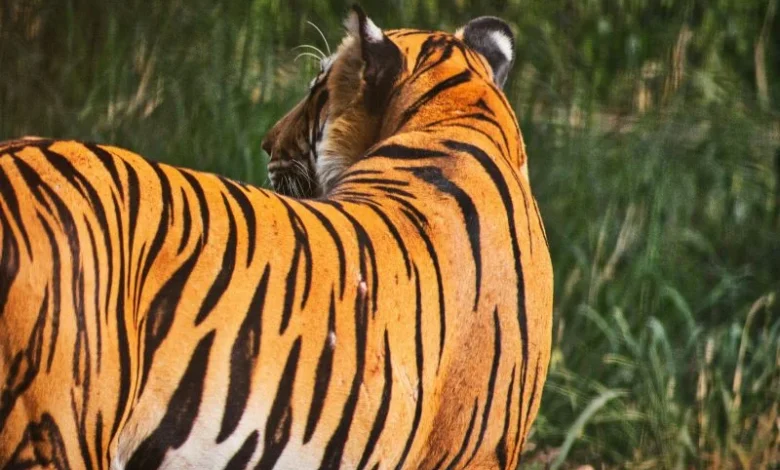
A tiger’s coat is dramatic from a distance, but look closely and each animal has its own personal signature. Tiger stripes are as unique as a human fingerprint, and this subtle biological fact has become one of the most useful tools in modern wildlife conservation. This natural marking system is helping researchers to protect a species that is still endangered in the wild, across forests in India, Nepal, Indonesia and beyond.
Why No Two Tigers Are Alike
Stripe patterns are formed early in a tiger’s development and remain fixed for life. Like the ridges on a human finger, genetics determine the width, spacing, curve and break points of each stripe. No two tigers have the same pattern, not even brothers and sisters born to the same mother. That permanence is what makes stripes so valuable. Unlike collar tags or tattoos, which can be lost, a tiger never loses its markings and researchers don’t have to touch or capture the animal to read them.
How scientists use stripes to ID individual tigers
Many camera traps were set up by teams of conservationists along forest trails and at waterholes. These motion activated cameras take tens of thousands of photos monthly. Trained analysts and increasingly machine learning software compare the stripe patterns on each photo to build a running catalog of individual animals. This enables teams to:
• Don’t just count how many tigers you saw in a reserve, count how many different tigers live in a reserve.
• Track an individual’s movements and territory over months or years.
• Do not touch them to monitor age, health, injuries and breeding patterns.
• See the same tiger in a different park, showing migration routes.
From photos of forests to fighting poaching
A more difficult application of the same identification method. If a confiscated tiger skin turns up in a black market, its flattened stripe pattern can be compared with camera trap archives. If a match is found, investigators can establish where and approximately when that particular tiger was last seen alive, and sometimes follow the trail it took into the illegal trade. This takes a poaching case from a vague seizure to evidence with a location and timeline attached.
A Simple Checklist for Tracking This Work
• Support forest departments and support reserves that run public camera trap programs.
• Follow trusted wildlife trusts that post updates on individual tiger tracking.
• Use official park apps to report sightings, not unofficial social media.
• Do not purchase or share images that would provide poachers with the exact location of a tiger.
Conclusion – tiger stripes
A simple pattern such as a stripe is now doing the work of a microchip, assisting researchers to accurately count tigers, unobtrusively track their lives and glean hard evidence from poaching cases. To protect tigers, we need to acknowledge that each and every one of them already has its own name.
Essential Environmental Stories You Shouldn’t Miss
What Do Weather Alerts Really Mean?
Check out how yellow, orange and red warnings differ.
How Can You Recycle Electronics Safely?
Find simple ways to dispose of old electronics responsibly.
Why Are Santa Rosa Trees Dying?
Uncover what caused the rare tree die-off on the island.
Why Are Top Floors Much Hotter?
See why upper apartments heat up and how to cool them.
Which Environmental Disasters Shaped 2025?
Browse 12 major environmental disasters that impacted the world.