
Apex Predators Are Vanishing — Here’s Why That’s More Dangerous Than It Sounds
Learn how Apex Predators Decline affects food, forests, fisheries and climate worldwide. See why protecting them matters for everyone today now!

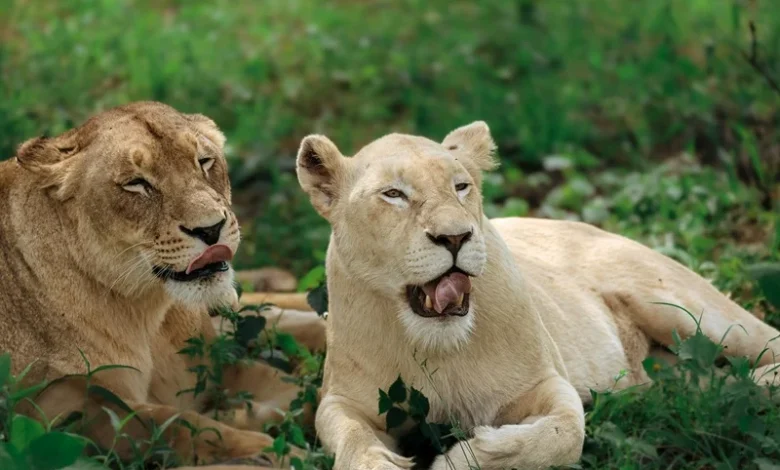
Across every continent, from the forests of Southeast Asia to the coasts of Africa to the plains of North America, top predators are disappearing fast. It’s not just that we see fewer majestic animals when apex predators are gone. And it triggers a chain reaction called a trophic cascade that can have repercussions that reach human food supplies, water quality and disease control.
Top Predators?
Apex predators are at the top of the food chain: animals like tigers, wolves, lions, sharks and killer whales. They have no natural enemies save man. Their job is to keep the numbers of prey in check and this keeps whole ecosystems going.
Why their Absence Matters
Recent research cites IUCN figures that global wild tiger populations have declined from about 100,000 a century ago to around 3,500 today. Similar declines are occurring in wolves, big cats and ocean sharks around the world. When these predators are removed, mesopredators—also known as mid-level predators—bloom without restraint. Coyotes, raccoons and small sharks grow quickly, often destroying crops, livestock and fisheries.
The Economic Cost We Don’t See
•“If they are not controlled, wild boar or deer will take away farmers’ crops.”
•Fewer predators means fisheries boom and then bust, and fishing communities lose income.
•Livestock owners are paying more to protect their herds from increasing mesopredators.
•As herbivore numbers increase, forests lose their ability to regenerate and thus their ability to store carbon.
What Communities and Policy Makers Can Do
•Corridors for habitat for safe travel and recovery of predators.
•Support laws protecting wildlife, not just spending on infrastructure.
•Support conservation programs directly with farmers and fishers.
•Strengthen laws against illegal trade in wildlife.
•Promote the use of coexistence tools (e.g., predator-proof enclosures) instead of retaliatory killing.
A Global Responsibility
This is not a problem to be faced by only wildlife-rich countries. Healthy ecosystems link to food security, climate resilience and global supply chains. When predator populations decline in one part of the world, the rest of the world may be affected silently in fisheries, agriculture and forest carbon storage.
Conclusion
The decline of top predators is often framed as a conservation problem that is distant. But it’s really an early warning sign of a deeper ecological imbalance. By protecting these species, we are protecting the systems that keep our food, water and economies stable. Support conservation wherever you are able. Choose sustainable seafood. Share accurate information. “Saving apex predators is saving the world we share.”
Discover more wildlife stories.
Why Is Bird Flu Spreading?
Find the latest updates on wildlife health risks.
Why Visit Kaziranga This Year?
Explore one of India’s top wildlife destinations.
What Lives In Kerala Backwaters?
Spot the amazing birds and aquatic wildlife.
Which Parks Hide Rare Wildlife?
Uncover Mongolia’s best-kept natural treasures.
Where Are Kenya’s Best Safaris?
Browse the top wildlife adventures to experience.