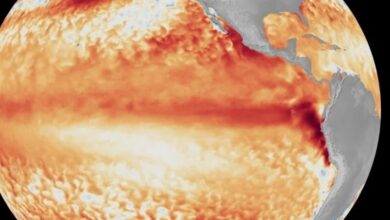
Why Are More Countries Ranking Heatwaves Alongside Hurricanes? 8 Reasons Explained

Heatwaves have historically not been viewed as very serious compared to hurricanes, flooding, and cyclones, largely because they leave little or no visible destruction behind. However, because of their ever-increasing impacts on human health, infrastructure, agriculture, and economics, governments around the world are beginning to include extreme heat among other natural hazards at risk of occurrence, and many are implementing colour-coded heat warning systems similar to those currently in place for other natural hazards such as hurricanes and cyclones.
1. Heatwaves Cause Thousands of Deaths
Extreme heat is one of the most dangerous weather-related events that exist, causing thousands of deaths annually due to the many conditions resulting from long-term exposure: heat-related illness, heat exhaustion, heat stroke, dehydration and worsening of pre-existing conditions involving the heart or lungs
2. They Are Becoming More Frequent
Due to Climate Change, there has been an increase in both the frequency, duration and intensity of heat waves occurring in most of the world.
3. Infrastructure Is Under Pressure
Extremely hot weather can potentially destroy the structural integrity of roads, rail tracks, power lines, and possibly even airport runways; therefore, they place great stress on transportation systems and essential services.
4. Electricity Demand Surges
With extreme heat, people tend to use greater amounts of electricity, resulting in a much greater chance of experiencing electricity shortages and prolonged blackouts during heat waves than during other times of the year due to the increased use of air conditioning units, fans, and other cooling household appliances.
5. Wildfire Risk Increases
Because of climatic change creating higher temperatures, evaporation will decline from rivers, lakes or reservoirs, leading to a water shortage in some areas.
6. Agriculture Suffers
Due to the extreme heat, agricultural production can be reduced as a result of lower yields due to crop and soil drying out and livestock being placed under extreme stress, all of which will cause increased prices for food at the grocery store.
7. Water Supplies Decline
Higher temperatures increase evaporation from rivers, lakes, and reservoirs, leading to water shortages in some regions.
8. Health Systems Face Greater Pressure
As there are many hospital visits due to patients with heat-related health issues; particularly from the elderly, children and those who are suffering from chronic illness.
Conclusion
Heat waves are no longer viewed as a normal part of the summer months. Due to their widespread effect on our health, infrastructure, energy, agriculture and the environment, many nations now classify heat waves with hurricanes & other types of natural disasters. With extreme heat becoming more prevalent, the need for early warning and public preparedness becomes increasingly vital.
FAQs
Why is a heat wave a dangerous event?
A heatwave is capable of causing severe damage to the environment, causing many deaths and disrupting emergency services.
Are there more heat waves now?
Yes, the scientific data indicate that there are more frequent and intense heat waves today than in the past.
How do heat waves affect electrical systems?
As the demand for cooling increases, so does the strain placed on the electrical grid, resulting in power losses.
Can heat waves cause damage to buildings?
Yes, buildings, streets, railroads, power lines, and runways can all be damaged by extreme heat.