Scientists Turn to Sharks to Improve Hurricane Predictions
Scientists use shark tracking to gather ocean data for better hurricane forecasts, giving coastal communities more warning time to prepare.

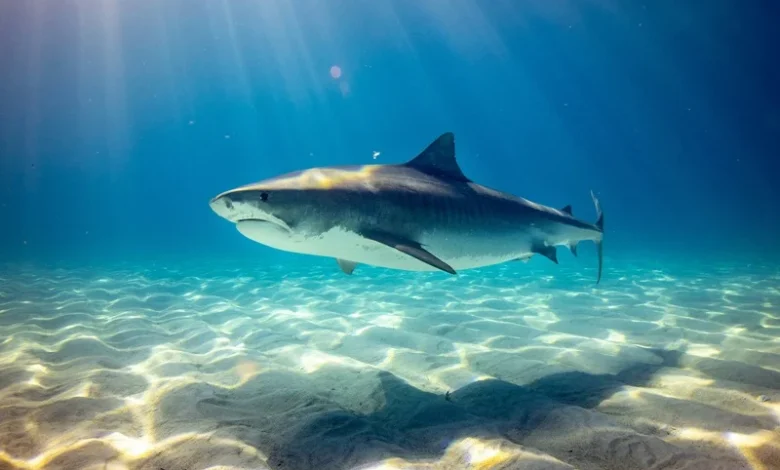
sharks have been feared as the ocean’s predators for decades. Now they are being drafted in as unlikely ocean scientists. Scientists along the U.S. East Coast are attaching small electronic sensors to sharks to collect data that could enhance hurricane predictions before storms make landfall. This odd combination of oceanography and weather prediction is opening a new chapter in how the world follows deadly storms.
Why sharks? Of all animals?
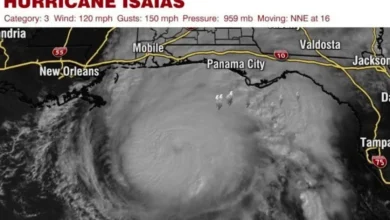
Hurricanes derive their energy from warm ocean water. The heat that makes a storm strong is in the top layer of the sea, called the mixed layer. The warmer this layer is, the more powerful a hurricane can become. But reliable data from shallow, hard-to-reach coastal waters have long been expensive and difficult to gather with just traditional buoys and ships.
That’s where the sharks come in. Small tracking devices are perfect for species such as mako sharks, blue sharks and young great whites, which are very mobile, dive frequently and surface regularly. These tags measure ocean temperature and depth and salinity and then beam the readings to satellites each time the shark surfaces.
A Living Network of Ocean Sensors
Instead of being a stationary buoy, a tagged shark is always swimming through new waters, covering a much greater area than any fixed equipment ever could. This is what scientists call building a “living network” of ocean sensors that becomes more valuable the more sharks are tagged across a wider area. The data collected could one day be fed into global weather models to help coastal countries far beyond American shores, including storm-prone areas all over Asia, the Caribbean and the Pacific.
Why this is important for coastal communities around the world
Better ocean heat data allows forecasters to estimate the strength of a storm with more confidence, giving families more accurate warning before a hurricane or typhoon arrives. This is particularly critical to low-income coastal communities that tend to have the fewest resources to recover from a rapidly intensifying, poorly forecasted storm.
What this research might mean for the future
•Better hurricane and typhoon warnings in a timely fashion.
•More support for fishing communities and coastal economies.
•It is cheaper and has a wider coverage than monitoring the ocean with ships and buoys.
•Long-term climate and ocean temperature data for scientists around the world.
•A model that other countries could copy with their own local marine life.
Conclusion
Sharks have long been portrayed as a threat to the ocean, but this research suggests they could quietly become one of the ocean’s most valuable data collectors. With scientists continuing to tag sharks along the Atlantic coast, the data collected could one day help forecasters give coastal communities around the world the extra hours or days needed to prepare safely for a storm.
Explore powerful stories on typhoons and climate risks.
What Typhoon Risks Face Philippines?
Check out the Philippines’ seasonal outlook and upcoming storm risks.
Which Typhoons Hit Philippines Hardest?
Find the most devastating storms that shaped the Philippines’ recent history.
How Do Mangroves Protect Philippine Coasts?
Uncover how mangroves strengthen coastal ecosystems against storms and erosion.
How Is Japan’s Climate Changing?
See how rising heat and heavy rainfall are affecting Japan.
Is Typhoon Dolphin Threatening Okinawa?
Track down the latest storm impacts across Okinawa and nearby regions.