Nature’s Blueprints Are Disappearing, And Our Children May Never Know What We Lost
Nature’s disappearing species could erase valuable ideas. Biomimicry shows why biodiversity matters for future innovation. Learn more about the risk today!


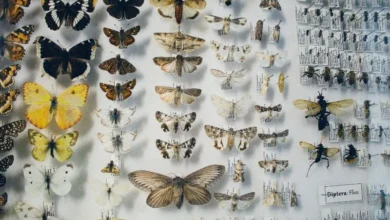
Today, somewhere in a rain forest, a beetle with a shell that never rusts, or a moth with wings that trap almost no light, is going extinct without anyone ever studying it. But that loss isn’t just about wildlife. It’s about ideas we will never regain. Biomimicry —using nature’s designs to solve human problems—depends on species that are disappearing faster than we can study them.
What Biomimicry Really Means
Biomimicry is simply copying nature’s homework. The engineers looked at a kingfisher’s beak to redesign the nose of Japan’s bullet train to reduce noise and save energy. Velcro was developed from a study of how burdock seeds cling to fur. These termite mound-shaped buildings cool themselves without air conditioning. These aren’t accidents. They are the result of millions of years of trial and error that nature has already done, for free, if humans bother to look closely.
Why Blueprints Are Disappearing
Scientists say the planet is losing species at a rate far above natural background levels, driven by habitat loss, pollution and rising temperatures. Each species that dies out is a design that took millions of years to evolve and cannot be rebuilt. A leaf that folds, a spider silk that is stronger than steel by weight, and a shell structure that resists cracking—these are one-off inventions of evolution. If they’re gone, no lab can recreate the exact conditions that produced them.
What it means for the next generation
Today’s children are already spending less time outside than any other generation. If we have less wilderness left, fewer young engineers, doctors and designers will ever get the chance to see how nature solves problems. The habit of watching, questioning and copying nature is learned early on, often through simple curiosity about bugs, leaves and birds.
The Little Things That Do Help
•Support local groups working on reforestation or wetland restoration instead of just signing online petitions.
•Take your children on frequent nature walks and ask them questions like “How does this work?” about the plants and insects they see.
•Select schools or community programs that include outdoor, nature-based learning.
•Support conservation charities working in biodiversity hotspots such as rainforests and reefs of coral.
•Support research on animals that are not so popular, not just the popular ones.
Conclusion
Protecting biodiversity is no longer just an environmental cause. It is safeguarding a library of solutions to problems we do not even know we have yet. The natural world still holds solutions for cleaner energy, stronger materials and better medicine, but only if it lasts long enough for someone to study it. Every species saved today is a lesson kept for tomorrow, so the best investment we can make in future innovation may be simply protecting the wild places still left.
Wildlife Stories Every Nature Lover Should Explore
Are Flea Treatments Harming River Wildlife?
Check out how pet treatments may affect UK waterways.
Could Bird Flu Threaten Victoria Wildlife?
Find out how the outbreak is putting birds at risk.
Why Should Wildlife Lovers Visit Kaziranga?
Uncover the park’s must-see wildlife experiences for 2026.
What Wildlife Thrives In Kerala Backwaters?
Browse the unique birds and aquatic species found there.
Which Kenya Safaris Offer Unforgettable Wildlife?
See the top safari experiences for discovering Kenya’s wild side.