Assam Records World’s First-Ever Release of Captive-Bred Slender-Billed Vultures
Assam makes history with its first captive-bred vulture release. Learn why this milestone matters for endangered wildlife and conservation. Read the story!

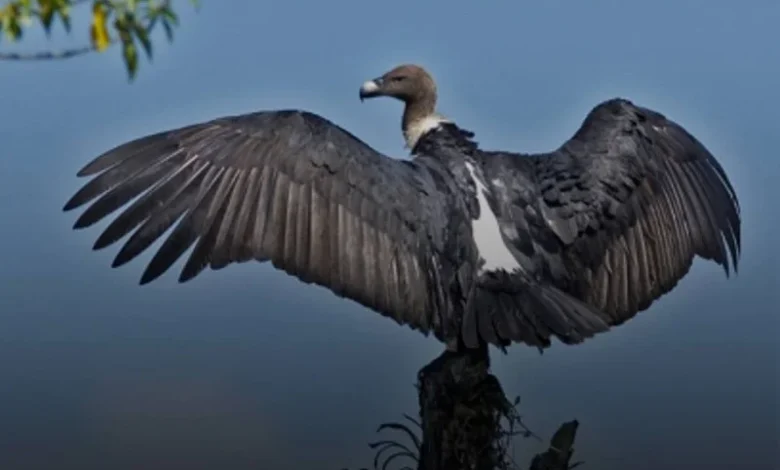
Once, millions of vultures filled the skies of South Asia. And then, a generation later, they were almost gone. Now Assam has done something that has never been done anywhere else in the world: it has released captive-bred slender-billed vultures into the wild. It’s a small flock of birds but a very big moment for conservation.
What Happened Really
Near Biswanath, bordering the Kaziranga National Park and Tiger Reserve in Assam, five captive-bred slender-billed vultures were set free. The birds were bred at the Vulture Conservation Breeding Centre in Rani, which has been working on this species since 2007. Prior to release, the vultures were held in a soft release aviary where they became accustomed to their environment and interacted with wild vultures that visited for supplementary feeding. It was a joint program of the Assam Forest Department and the Bombay Natural History Society (BNHS), with support from international partners who have been working on Asian vulture recovery for a long time.
This is important, as it is the first time anywhere in the world that captive-bred slender-billed vultures have been released into a natural habitat. Earlier success with this species had been limited to captive breeding, not to putting them back into the wild.
Why vultures matter more than you’d think
Vultures are nature’s janitors. They will quickly eat a dead animal, which prevents the spread of disease and also keeps the rat and stray dog populations down because they would otherwise be feeding on those same carcasses. The knock-on effects on public health and ecosystems were severe when vulture numbers crashed across South Asia in the 1990s and 2000s, largely due to a livestock painkiller called diclofenac that is toxic to these birds. The slender-billed vulture is now listed as critically endangered, one step away from extinction in the wild.
Why This Release Matters to the World, Not Just to Assam
This is not just a local wildlife story. It shows other countries experiencing similar declines in scavenger species that captive breeding combined with carefully monitored release can be a real recovery tool, not just a lab experiment.”
A simple checklist for those who want to follow this story or help out
•Do not use or support the use of diclofenac and similar veterinary drugs on livestock.
•Support established wildlife and conservation organizations working on vulture recovery projects.
•If you live in vulture habitats, report vulture sightings or carcasses to local forest departments.
•Watch out for official releases by the Assam Forest Department and BNHS.
•Help us spread the word about this milestone! Public awareness helps sustain funding for these types of programs.
Conclusion
Assam’s captive-bred slender-billed vultures are testimony to how patient, science-based conservation can bring a critically endangered species back from the brink of extinction, one deliberate step at a time. The road to recovery remains long, but this release shows the world exactly where to begin.
Essential Environmental Stories You Shouldn’t Miss
What Do Weather Alerts Really Mean?
Check out how yellow, orange and red warnings differ.
How Can You Recycle Electronics Safely?
Find simple ways to dispose of old electronics responsibly.
Why Are Santa Rosa Trees Dying?
Uncover what caused the rare tree die-off on the island.
Why Are Top Floors Much Hotter?
See why upper apartments heat up and how to cool them.
Which Environmental Disasters Shaped 2025?
Browse 12 major environmental disasters that impacted the world.